
Solo palabras
lunes, 30 de septiembre de 2013


Avelina Lésper
El arte contemporáneo es una farsa: Avelina Lésper
"La carencia de rigor (en las obras) ha
permitido que el vacío de creación, la ocurrencia, la falta de
inteligencia sean los valores de este falso arte, y que cualquier cosa se muestre en los museos", afirmó Lésper.
"La carencia de rigor (en las obras) ha permitido que el vacío de creación, la ocurrencia, la falta de inteligencia sean los valores de este falso arte, y que cualquier cosa se muestre en los museos", afirmó Lésper.
Explicó que los Los objetos y valores estéticos que se presentan como arte, son aceptados, en completa sumisión a los principios que una autoridad que impone.
Lo que ocasiona que cada día se formen sociedades menos inteligentes y llevándolos a la barbarie. También abordó el tema del Ready Made, sobre el que expresó que mediante esta corriente "artística", se ha regresado a lo más elemental e irracional del pensamiento humano, al pensamiento mágico, negando la realidad. El arte queda reducido a una creencia fantasiosa y su presencia en un significado. "Necesitamos arte y no creencias".
Asimismo, destacó la figura del "genio", artista con obras insustituible, personajes que en la actualidad ya no existen. "Hoy con la sobrepoblación de artistas, estos no son prescindibles y la obra se sustituye por otra, porque carece de singularidad".
Detalló que la sustitución de artistas se da por la poca calidad de sus trabajos, "todo lo que el artista realice esta predestinado a ser arte, excremento, filias, odios, objetos personales, imitaciones, ignorancia, enfermedades, fotos personales, mensajes de internet, juguetes, etc. Actualmente hacer arte es un ejercicio ególatra, los performances, los videos, instalaciones están hechos con tal obviedad que abruma la simpleza creadora, y son piezas que en su inmensa mayoría apelan al menor esfuerzo, y que su accesibilidad creativa nos dice que es una realidad, que cualquiera puede hacerlo".
En ese sentido, afirmó que no darle el status al artista que lo merece, ocasiona un alejamiento del arte a las personas, lo demerita, lo banaliza. "Cada ves que alguien sin méritos y sin trabajo real excepcional expone, el arte va decreciendo en su presencia y concepción. Entre más artistas hay, las obras son peores, la cantidad no está aportando calidad".
"El artista ready made toca todas las áreas, y todas con poca profesionalidad, si hace video, no alcanza los estándares que piden en el cine o en la publicidad; si hace obras electrónicas o las manda a hacer, no logra lo que un técnico medio; si se involucra con sonidos, no llega ni a la experiencia de un Dj. Se asume ya que sí la obra es de arte contemporáneo, no tiene por que alcanzar el mínimo rango de calidad en su realización. Los artistas hacen cosas extraordinarias y demuestran en cada trabajo su condición de creadores, ni Demian Hirst, ni Gabriel Orozco ni Teresa Margolles, ni la inmensa lista de gente que crece son artistas, y esto no lo digo yo, lo dicen sus obras", aseveró.
Como consejo a los estudiantes, les indicó que dejen que su obra hable por ellos, no un curador, no un sistema, no un dogma, "su obra dirá si son o no artistas, y si hacen este falso arte, se los repito no son artistas".
Lésper aseguró que hoy día, el arte dejó de ser incluyente, por lo que se ha vuelto en contra de sus propios principios dogmáticos y en caso de que al espectador no le guste, lo acusa de "ignorante, de estúpido y le dice con gran arrogancia, si no te gusta es que no entiendes".
"El espectador, para evitar ser llamado ignorante, no puede ni por asomo decir lo que piensa, para este arte todo público que no es sumiso a sus obras es imbécil, ignorante y nunca está a la altura de lo expuesto ni de sus artistas, así el espectador presencia obras que no demuestran inteligencia", denunció.
Finalmente, señaló que el arte contemporáneo es endogámico, elitista; como vocación segregacionista, realizado para su estructura burocrática, para complacer a las instituciones y a sus patrocinadores. "Su obsesión pedagógica, su necesidad de explicar cada obra, cada exposición, su sobre producción de textos es la implícita acotación del criterio, la negación a la experiencia estética libre, define, nombra, sobreintelectualiza la obra para sobrevalorarla y para impedir que la percepción sea ejercida con naturalidad".
La creación es libre, pero la contemplación no lo es. "Estamos ante a dictadura del más mediocre".
http://www.vanguardia.com.mx/noticia-1362825.html
domingo, 29 de septiembre de 2013
Dr. Simonton

" En el estudio del paciente canceroso importa el perfil de sus creencias ", dijo Simonton, quien tuvo su propia experiencia con el cáncer a los 16 y 33 años, respectivamente, con procesos neoplásicos en piel y nariz. Al respecto, tras admitir que " la mente se refleja en el cuerpo ", admitió que "a veces no puedo ver claramente lo que me pasa, pero cuento con buenos amigos, con quienes accedemos a la sabiduría".
Superadas las instancias de su primera enfermedad en la piel, Simonton comprendió qué ocurre con ese mal llamado cáncer, desde los episodios celulares.
Abocado de lleno al tratamiento, al poco tiempo arribó a otra conclusión: "Mis pacientes tienen desesperanza", afirmó, señalando a esta cuestión como más gravitante y crucial para un cambio de observación.
Así resolvió investigar y aplicar algo más sencillo, poco ortodoxo y, en todo caso, un elemento con escaso predicamento en el establishment científico hasta ese momento: el poder de la imaginación.
" Cuando cambiamos nuestras creencias conscientes y actitudes, cambia la química básica en nuestros órganos ", planteó, para seguidamente interrogarse si eso alcanza para torcer el curso de una enfermedad.
Su primer paciente tratado, según el nuevo modelo de comprensión etiológica, padecía de cáncer en la garganta. Con la incorporación de técnicas de visualización, Simonton tuvo éxito. Para el anecdotario personal y habiendo transcurrido varias décadas, todavía recuerda las palabras de aquel paciente: "Doc, aunque usted se muera ahora mismo, yo me curo".
Según Simonton, la Sociedad Americana de Cáncer (en Estados Unidos) encomendó a un especialista que demuestrara "la falsedad" de sus investigaciones. Pero no sólo logró confirmar el trabajo realizado, si no que ese seguimiento de control terminó por concluir, además, en otros aspectos que Simonton ponderó: "Nuestros cuerpos están produciendo células débiles, confundidas y deformadas. Las creencias y emociones enfermas empujan a nuestros cuerpos hacia el sufrimiento".
Puso como ejemplos de lo dicho frases conocidas, como “yo no puedo”, “no he sido ni podré ser feliz” o “no aguanto más”. Y sintetizó su experiencia de estudios sobre la relación salud-enfermedad expresando que "es aburrido contar cómo una persona se enferma. El proceso de curación, por el contrario, resulta más creativo".
Simonton trata también los aspectos espirituales de la enfermedad. Señaló que en la enfermedad se encuentran debilitados los nexos con los principios que avalan la fuerza motriz de la existencia, afectados por creencias y actitudes negativos.
"Se disipa el sentido de por qué estamos en el planeta. Perdemos espiritualidad. Aprendamos entonces a conectarnos con el Yo, no como idea de ego o personalidad si no como lo más trascendente, con las fuerzas de la creación. Estar sano es caminar hacia la salud en lo corporal, lo mental y lo espiritual. Para ello tenemos que estar motivados . Esas fuerzas se comunican a través del sentimiento y de la sensación de que todo está bien. Las Escrituras no prometen nada ante la simple demanda, sólo dicen ‘busca y hallarás’. Cuando la ayuda no llega, actuemos", enfatizó.
Simonton, tras plantear "cuál es el significado de la enfermedad, qué nos quiere decir", dio su opinión: "la enfermedad es un mecanismo de sobrevivencia que está apuntando que algo anda mal y debe cambiar". Y puede llegar a un feedback negativo, como la muerte, mientras que la salud se traduce en un feedback positivo .
Sin embargo, aclaró que lo que enferma a algunas personas, a otras no les produce nada, del mismo modo que lo que cura a unos, a otros no les provoca efecto. "Aprendamos a tomar decisiones, a hallar la armonía y dar al César lo que es del César", sentenció.
Simonton aportó datos presentados en dos conferencias internacionales sobre psiconeuroinmunología y cáncer. Confeccionó una lista con el fin de asesorar a quienes forman el entorno del paciente con cáncer, incluyendo principios extensivos a las enfermedades en general. Junto con él, medio centenar de científicos de distintas partes del planeta acordaron sobre el interés primordial de "integrar lo espiritual en la vida cotidiana".
http://bugui.blogia.com/2008/061304-enfoque-simonton-contra-el-cancer..php
L os criterios de los doctores Carl y Stephanie Simonton para las imágenes de la Visualización Creativa son:
- Las células cancerosas son débiles y confusas, y debe ser concebido como algo que puede derrumbarse como hamburguesas al suelo.
- El tratamiento es fuerte y poderoso.
- Las células sanas no tienen ninguna dificultad en la reparación de los daños leves causados por el tratamiento.
- Hay un ejército de diferentes tipos de glóbulos blancos que pueden abrumar a las células cancerosas .
- Los glóbulos blancos son agresivos y quieren buscar y atacar las células cancerosas .
- Las células cancerosas muertas son expulsadas de la cuerpo .
- La sesión de imágenes es una historia que termina con el paciente sano y libre de cáncer.
- Usted se visualiza alcanzar sus metas y cumplir con el propósito de su vida.
1. Relájese en un cómo sillón con los pies en el suelo y las
extremidades apoyadas de manera que no queden tensas. Asegúrese de que
está tranquilo, de que la temperatura ambiental es agradable y la
iluminación suave.
2. Use los ejercicios de relajación.
3. Relájese en su lugar preferido unos pocos minutos.
4. Cree una imagen mental de su enfermedad o daño. Imagínela de manera que tenga sentido para usted.
5. Dibuje mentalmente un tratamiento (mágico o científico) que eliminará el daño o enfermedad, o refuerce la capacidad que su cuerpo tiene para curarse .
6. Dibuje mentalmente las defensas y procesos físicos naturales que eliminan la enfermedad o daño: células defensivas que se reproducen y vencen el tumor , etc.
7. Imagínese a sí mismo sano y libre de la enfermedad , el daño y el dolor.
8. Imagínese a sí mismo avanzando con éxito hacia la consecución de los objetivos propuestos en su vida y llevando una vida sana y feliz .
9. Felicítese a sí mismo por participar en su recuperación. Imagínese haciendo ejercicio, estando alerta y relajado.
2. Use los ejercicios de relajación.
3. Relájese en su lugar preferido unos pocos minutos.
4. Cree una imagen mental de su enfermedad o daño. Imagínela de manera que tenga sentido para usted.
5. Dibuje mentalmente un tratamiento (mágico o científico) que eliminará el daño o enfermedad, o refuerce la capacidad que su cuerpo tiene para curarse .
6. Dibuje mentalmente las defensas y procesos físicos naturales que eliminan la enfermedad o daño: células defensivas que se reproducen y vencen el tumor , etc.
7. Imagínese a sí mismo sano y libre de la enfermedad , el daño y el dolor.
8. Imagínese a sí mismo avanzando con éxito hacia la consecución de los objetivos propuestos en su vida y llevando una vida sana y feliz .
9. Felicítese a sí mismo por participar en su recuperación. Imagínese haciendo ejercicio, estando alerta y relajado.
viernes, 27 de septiembre de 2013
Benjamin Mee
We Bought a Zoo: the true story behind the film
The story of Benjamin Mee, a British writer who rescued a failing zoo while coming to terms with life as a widower and single father, has been made into a Hollywood film starring Matt Damon

7:00AM GMT 03 Mar 2012
Late one afternoon in October 2006 Benjamin Mee was sitting in the kitchen of
his new family home, contemplating a list of jobs, when his brother ran in
shouting, 'A big cat has escaped. This is not a drill.’ The home, which Mee
had moved into four days earlier, was a dilapidated zoo, and a 150lb jaguar
was on the loose.
Benjamin Mee is a very persuasive man. After his father died in early 2005 Mee
had convinced his 76-year-old mother to sell the Surrey home in which he and
his three brothers and sister had grown up, and to buy an old house on the
edge of Dartmoor in Devon with a failing zoo attached. He had also persuaded
his wife that they should leave their barn conversion in France, where they
had been living for two years, and move their young family back to England
to live with his mother and his brother Duncan.
The zoo was dangerously rundown. Mee was faced with myriad expensive tasks
just to keep it afloat – including dealing with a rat infestation (£9,000) –
not to mention finding the money to feed the animals, something that the six
members of unpaid staff he inherited had been doing out of their own
pockets.
'There were lots of times when I thought, “What have I done?”’ Mee says now.
'But when the jaguar escaped it was the first time I realised there were
lives at stake.’
I meet Benjamin Mee at Dartmoor Zoological Park on a bright September day.
Dressed in shorts, a dark-green fleece and a beanie hat pulled down over his
shaved head, he talks quickly and animatedly about the 200 animals in his
care. These include Vlad, the Siberian tiger that loves trying to lick Mee’s
hand through the fence, a schizophrenic ostrich on Prozac and a bear named
Fudge, with 5in claws that need constant trimming.
We sit at a picnic bench outside the zoo’s restaurant, watching two Brazilian
tapirs pottering about in their field. The zoo has a simple charm. From the
unmanicured edges of the grass to the homemade laminated signs, it almost
feels like someone’s back garden. Which, of course, it is; the Mee house is
right in the centre of the park, with no ropes or fences segregating it from
the public.
It was a series of life-changing circumstances that led to Mee buying the zoo. Mee, 46, a freelance journalist, and his wife, Katherine, had been living in the south of France with their children, Milo, now 10, and Ella, eight. Katherine had given up her job as an art director on a magazine and they had sold their flat in Primrose Hill, north London. Mee juggled writing with converting their two barns. In June 2004 Katherine was diagnosed with a grade-four glioblastoma brain tumour. She completed a course of chemotherapy but her doctors warned her and Mee that the tumour would return.
Meanwhile, his mother, Amelia, was looking to downsize after losing her husband. Mee’s sister, Melissa, came across an estate agent’s brochure for Dartmoor Wildlife Park. The park was for sale at the same asking price – £1.2 million – as Amelia’s home. Knowing Mee’s lifelong fascination with animals, Melissa posted the brochure to him in France with a note: 'Your dream scenario.’
'We all started focusing on this zoo,’ Mee explains. 'My dad would have said it was bloody ridiculous. He was a man who had come from a working-class mining town and built up his small fortune by being careful and working hard, but he wasn’t there.’ All the siblings agreed that the zoo would be a wonderful project for Amelia to be part of. They would each put their £50,000 inheritance into the pot and decide later who would move into the 12-bedroom house with Amelia.
Persuading Amelia was easy: for her 73rd birthday she had spent a day as a big cat keeper, and she loved the idea of owning a zoo. But buying the zoo was not so simple. The first offer was rejected in favour of a higher bid. But that sale fell through and a year later, in April 2006, Mee saw a news story announcing there were 11 days to find a buyer or the animals would be put down. He knew he had to try again. Katherine, however, was not keen. 'I had made her sell our precious London flat to move to France so I could write a book and now I wanted us to buy a zoo,’ Mee says. 'She thought I should just finish what I’d started.’
Of Katherine’s initial resistance he adds, 'We had a 10-year relationship with very few arguments. Her job was to shoot down my more outrageous ideas, which she did beautifully. But this was a decision that was going to affect the next 10-15 years of our lives. If she wasn’t going to live that long – I was desperately searching for a cure, but the doctors kept telling us the tumour would return – then it would be me bringing up the children alone and I couldn’t think of a more incredible place to live.’
He managed to persuade Katherine (they kept the French barns, which Mee has since sold), but his brother Henry, who was the executor of his father’s will, mounted a legal challenge to stop the purchase. Eventually Henry agreed to the purchase going ahead, but withdrew his £50,000 investment. This has taken its toll on the family: Benjamin and Henry no longer speak.
Finally, in October 2006, the sale went through at £1.1 million. But by then the council had revoked the zoo’s licence: rotten fence posts and faulty electric fences were not safe and pathways had become unwalkable.
And on the fourth day of their new lives, the jaguar escaped. An inexperienced keeper had not bolted the enclosure correctly and Sovereign jumped into the neighbouring enclosure, intent on fighting Tammy the Siberian tiger. Mee’s first job as a zoo director was to decide which animal to shoot dead. Fortunately it didn’t come to that – Tammy’s keeper managed to coax her back into her house and lock her inside. After an anxious night spent waiting for an anaesthetic dart gun to arrive from another zoo, Sovereign was sedated and returned to his enclosure. The zoo was spared a bloody battle. The keeper was fired.
At the start of the Mees’ tenure, the zoo was costing £3,000 a week in utility bills, animal feed and staff wages. Mee needed £500,000 to make urgent repairs before he would be allowed to let the paying public back in (he needed 60,000 visitors a year to break even). He had already melted down credit cards and had even driven Amelia to a cash dispenser to withdraw the last of her savings. In a BBC documentary about the zoo in 2007 cameras catch an increasingly desperate Mee begging a bank manager for money, saying, 'The wolves are at the door…’ and, with his trademark humour, pausing to add, '… literally.’
The next six months were exhausting. Just before Christmas Katherine’s tumour returned. In January she started another course of chemotherapy, which left her with debilitating depression. The loan was finally secured in February and repairs started immediately, but not before Parker, one of the wolves, escaped. After a frantic hunt involving armed police, Parker was caught in a quarry two miles away.
Katherine died on March 31 2007, after two months of fading mobility, speech and mental clarity ('Most of the physical difficulties I could cope with, like helping her dress and go to the toilet, but I couldn’t bear to see her surprised that the light was controlled by the light switch’). But Mee could not give into his own grief – he had only two months until the zoo inspection.
His extraordinary will and determination to succeed meant they passed, and on July 7 they opened to the public as the rebranded Dartmoor Zoological Park, with signs that Katherine had designed. 'Opening day was such a relief,’ Mee says. 'But all day strangers – who knew our story from the local paper – kept coming up to me saying, “Katherine would have been so proud of you.” I wasn’t expecting it. I had to go to the office to take a breath, but someone had put up my favourite picture of her on the wall. When I saw her there looking at me, I cried for two hours.’
Mee takes a brief pause from his story to thank some people walking past for visiting the zoo. They say they have heard that there is a Hollywood film being made about the zoo. He laughs and tells them it is true. Mee still cannot really believe it. He had written about the whole experience in a book, We Bought a Zoo, published in 2008. A year later 20th Century Fox bought the rights and brought Cameron Crowe on board to direct. Matt Damon was cast as Mee (who was delighted: 'I believed he was thoughtful, self-aware and self-deprecating’). Within 20 months ('the fastest project I have ever worked on,’ Crowe says) the film was completed.
As befits a Hollywood tear-jerker, Katherine’s death frames the plot. In the film she dies before Mee buys the zoo but she is shown through a series of flashbacks: 'She’s not here, and yet she’s there in every scene,’ Crowe tells me. The chronology of the story has shifted and the drama has been relocated to California, but the heart of the film is that rebuilding the rundown animal park is a restorative exercise for the bereaved family.
'That is how I feel about the zoo,’ Mee says. 'Rebuilding it was cathartic. But the zoo itself is also a tremendous place for healing. It connects you to the circle of life. We have births, we have deaths and they remind you that we are just another family unit that has suffered a loss – like the tigers who lost their grandfather or the tapirs who had a stillborn calf.’
Mee checks his watch, jumping up from the bench and startling a peacock nestling at our feet. He is late to pick up the children. Life as a single father is a challenge that he says starts 'with a frantic search for the kids’ clothes’ before breakfast, dropping them off at school ('They usually need sports kit or costumes or any number of things which I might have forgotten’), overseeing the zoo, before going back to pick them up at 3pm. His affinity for single parents is reflected in admission prices with a discount for them on Tuesdays.
Matt Damon tells me over the phone from Los Angeles that the idea of suddenly becoming a bereaved, single parent was one of the things that drew him to the story. 'For me, as a father, I was moved by the idea of how you help your children get through the loss of their mother and how you bring them up without your partner.’ Crowe thinks the best part is that the story continues in real life: 'You can leave the movie theatre and go through the turnstiles into Dartmoor zoo.’ The film ends with the zoo opening on a glorious Californian day with families queuing to get in (including the real Mees, who have cameo roles). But the reality in Dartmoor was of course very different.
The July they opened was the wettest for 100 years, with the following three summers barely any better. Mee needed 1,000 visitors a day; instead he says it was not unusual to get four people. 'I used to look at the sky and every time it was raining I would think, “That’s £5,000 we should have made today.”’
Despite an initial £30,000 for the rights and another £250,000 once the film went into production (he will also get five per cent of net profits from the film), Mee was still in financial straits. His monthly bills were £47,000 for wages, amenities and food. 'At the end of every month I was worrying that we simply wouldn’t survive long enough for the film to come out.’
The Mees have not wasted any money on beautifying their own home, and living conditions have been tough for Amelia particularly. But, Mee says, 'she loves owning the zoo. The stimulation of being part of such a busy environment has kept her mentally and physically active far beyond how she might have fared on her own. She feeds the monkeys in the morning, and watches the cheetah while doing her early-morning exercises. And we have finally managed to wire up her kiln in the house, so now she is making ceramic water bowls for some of the smaller animals, and animal models to sell in the shop.’
Mee seems almost pained when I ask him which is his favourite animal in the zoo – as if I were forcing him to choose between his children – but admits that the two tapirs are top of the list. 'They are like a married couple,’ he says. 'You can tell when they’ve had an argument because one will be in the house and the other one will be swimming in the pond. Otherwise they are inseparable.’
Conservation is Mee’s passion. The zoo has three Siberian tigers; in the wild there are now fewer than 400. Although the zoo cannot breed from the tigers – the previous owner was not judicious about properly monitoring mating among his animals and as a result most of the big cats are genetically related – Mee explains the importance of having them in zoos: 'I don’t particularly like looking at animals behind wire. But, as a zoo director, I understand that it is absolutely essential that we keep them there. We can build up a broad genetic population in zoos and then if we can work out a way to regain an area the size of Siberia, just for tigers, then we can re-release them.’ Recently the zoo has been given a pair of endangered white-naped cranes, and Dartmoor has been accepted on to a breeding programme monitored by the European Association of Zoos and Aquaria.
It is after closing time, and Milo and Ella are playing with the pygmy goats under a 400-year-old oak tree in the middle of the park. Milo says that after school they help the keepers feed the animals, and on Saturdays and holidays they teach other children in the education department. Mee smiles. The zoo, he says, has enriched their lives in ways he could not have anticipated. Recently he was walking with Ella through a field of bluebells next to the wolves’ enclosure.
'She was dressed in her red cape and running ahead of me, with the wolves loping silently alongside her. I watched her and thought, “How many little girls can run along in their red riding hood outfits being chased by real wolves?” That’s what I’ve been able to do for her.’
'We Bought a Zoo’ is released on March 16. dartmoorzoo.org
It was a series of life-changing circumstances that led to Mee buying the zoo. Mee, 46, a freelance journalist, and his wife, Katherine, had been living in the south of France with their children, Milo, now 10, and Ella, eight. Katherine had given up her job as an art director on a magazine and they had sold their flat in Primrose Hill, north London. Mee juggled writing with converting their two barns. In June 2004 Katherine was diagnosed with a grade-four glioblastoma brain tumour. She completed a course of chemotherapy but her doctors warned her and Mee that the tumour would return.
Meanwhile, his mother, Amelia, was looking to downsize after losing her husband. Mee’s sister, Melissa, came across an estate agent’s brochure for Dartmoor Wildlife Park. The park was for sale at the same asking price – £1.2 million – as Amelia’s home. Knowing Mee’s lifelong fascination with animals, Melissa posted the brochure to him in France with a note: 'Your dream scenario.’
'We all started focusing on this zoo,’ Mee explains. 'My dad would have said it was bloody ridiculous. He was a man who had come from a working-class mining town and built up his small fortune by being careful and working hard, but he wasn’t there.’ All the siblings agreed that the zoo would be a wonderful project for Amelia to be part of. They would each put their £50,000 inheritance into the pot and decide later who would move into the 12-bedroom house with Amelia.
Persuading Amelia was easy: for her 73rd birthday she had spent a day as a big cat keeper, and she loved the idea of owning a zoo. But buying the zoo was not so simple. The first offer was rejected in favour of a higher bid. But that sale fell through and a year later, in April 2006, Mee saw a news story announcing there were 11 days to find a buyer or the animals would be put down. He knew he had to try again. Katherine, however, was not keen. 'I had made her sell our precious London flat to move to France so I could write a book and now I wanted us to buy a zoo,’ Mee says. 'She thought I should just finish what I’d started.’
Of Katherine’s initial resistance he adds, 'We had a 10-year relationship with very few arguments. Her job was to shoot down my more outrageous ideas, which she did beautifully. But this was a decision that was going to affect the next 10-15 years of our lives. If she wasn’t going to live that long – I was desperately searching for a cure, but the doctors kept telling us the tumour would return – then it would be me bringing up the children alone and I couldn’t think of a more incredible place to live.’
He managed to persuade Katherine (they kept the French barns, which Mee has since sold), but his brother Henry, who was the executor of his father’s will, mounted a legal challenge to stop the purchase. Eventually Henry agreed to the purchase going ahead, but withdrew his £50,000 investment. This has taken its toll on the family: Benjamin and Henry no longer speak.
Finally, in October 2006, the sale went through at £1.1 million. But by then the council had revoked the zoo’s licence: rotten fence posts and faulty electric fences were not safe and pathways had become unwalkable.
And on the fourth day of their new lives, the jaguar escaped. An inexperienced keeper had not bolted the enclosure correctly and Sovereign jumped into the neighbouring enclosure, intent on fighting Tammy the Siberian tiger. Mee’s first job as a zoo director was to decide which animal to shoot dead. Fortunately it didn’t come to that – Tammy’s keeper managed to coax her back into her house and lock her inside. After an anxious night spent waiting for an anaesthetic dart gun to arrive from another zoo, Sovereign was sedated and returned to his enclosure. The zoo was spared a bloody battle. The keeper was fired.
At the start of the Mees’ tenure, the zoo was costing £3,000 a week in utility bills, animal feed and staff wages. Mee needed £500,000 to make urgent repairs before he would be allowed to let the paying public back in (he needed 60,000 visitors a year to break even). He had already melted down credit cards and had even driven Amelia to a cash dispenser to withdraw the last of her savings. In a BBC documentary about the zoo in 2007 cameras catch an increasingly desperate Mee begging a bank manager for money, saying, 'The wolves are at the door…’ and, with his trademark humour, pausing to add, '… literally.’
The next six months were exhausting. Just before Christmas Katherine’s tumour returned. In January she started another course of chemotherapy, which left her with debilitating depression. The loan was finally secured in February and repairs started immediately, but not before Parker, one of the wolves, escaped. After a frantic hunt involving armed police, Parker was caught in a quarry two miles away.
Katherine died on March 31 2007, after two months of fading mobility, speech and mental clarity ('Most of the physical difficulties I could cope with, like helping her dress and go to the toilet, but I couldn’t bear to see her surprised that the light was controlled by the light switch’). But Mee could not give into his own grief – he had only two months until the zoo inspection.
His extraordinary will and determination to succeed meant they passed, and on July 7 they opened to the public as the rebranded Dartmoor Zoological Park, with signs that Katherine had designed. 'Opening day was such a relief,’ Mee says. 'But all day strangers – who knew our story from the local paper – kept coming up to me saying, “Katherine would have been so proud of you.” I wasn’t expecting it. I had to go to the office to take a breath, but someone had put up my favourite picture of her on the wall. When I saw her there looking at me, I cried for two hours.’
Mee takes a brief pause from his story to thank some people walking past for visiting the zoo. They say they have heard that there is a Hollywood film being made about the zoo. He laughs and tells them it is true. Mee still cannot really believe it. He had written about the whole experience in a book, We Bought a Zoo, published in 2008. A year later 20th Century Fox bought the rights and brought Cameron Crowe on board to direct. Matt Damon was cast as Mee (who was delighted: 'I believed he was thoughtful, self-aware and self-deprecating’). Within 20 months ('the fastest project I have ever worked on,’ Crowe says) the film was completed.
As befits a Hollywood tear-jerker, Katherine’s death frames the plot. In the film she dies before Mee buys the zoo but she is shown through a series of flashbacks: 'She’s not here, and yet she’s there in every scene,’ Crowe tells me. The chronology of the story has shifted and the drama has been relocated to California, but the heart of the film is that rebuilding the rundown animal park is a restorative exercise for the bereaved family.
'That is how I feel about the zoo,’ Mee says. 'Rebuilding it was cathartic. But the zoo itself is also a tremendous place for healing. It connects you to the circle of life. We have births, we have deaths and they remind you that we are just another family unit that has suffered a loss – like the tigers who lost their grandfather or the tapirs who had a stillborn calf.’
Mee checks his watch, jumping up from the bench and startling a peacock nestling at our feet. He is late to pick up the children. Life as a single father is a challenge that he says starts 'with a frantic search for the kids’ clothes’ before breakfast, dropping them off at school ('They usually need sports kit or costumes or any number of things which I might have forgotten’), overseeing the zoo, before going back to pick them up at 3pm. His affinity for single parents is reflected in admission prices with a discount for them on Tuesdays.
Matt Damon tells me over the phone from Los Angeles that the idea of suddenly becoming a bereaved, single parent was one of the things that drew him to the story. 'For me, as a father, I was moved by the idea of how you help your children get through the loss of their mother and how you bring them up without your partner.’ Crowe thinks the best part is that the story continues in real life: 'You can leave the movie theatre and go through the turnstiles into Dartmoor zoo.’ The film ends with the zoo opening on a glorious Californian day with families queuing to get in (including the real Mees, who have cameo roles). But the reality in Dartmoor was of course very different.
The July they opened was the wettest for 100 years, with the following three summers barely any better. Mee needed 1,000 visitors a day; instead he says it was not unusual to get four people. 'I used to look at the sky and every time it was raining I would think, “That’s £5,000 we should have made today.”’
Despite an initial £30,000 for the rights and another £250,000 once the film went into production (he will also get five per cent of net profits from the film), Mee was still in financial straits. His monthly bills were £47,000 for wages, amenities and food. 'At the end of every month I was worrying that we simply wouldn’t survive long enough for the film to come out.’
The Mees have not wasted any money on beautifying their own home, and living conditions have been tough for Amelia particularly. But, Mee says, 'she loves owning the zoo. The stimulation of being part of such a busy environment has kept her mentally and physically active far beyond how she might have fared on her own. She feeds the monkeys in the morning, and watches the cheetah while doing her early-morning exercises. And we have finally managed to wire up her kiln in the house, so now she is making ceramic water bowls for some of the smaller animals, and animal models to sell in the shop.’
Mee seems almost pained when I ask him which is his favourite animal in the zoo – as if I were forcing him to choose between his children – but admits that the two tapirs are top of the list. 'They are like a married couple,’ he says. 'You can tell when they’ve had an argument because one will be in the house and the other one will be swimming in the pond. Otherwise they are inseparable.’
Conservation is Mee’s passion. The zoo has three Siberian tigers; in the wild there are now fewer than 400. Although the zoo cannot breed from the tigers – the previous owner was not judicious about properly monitoring mating among his animals and as a result most of the big cats are genetically related – Mee explains the importance of having them in zoos: 'I don’t particularly like looking at animals behind wire. But, as a zoo director, I understand that it is absolutely essential that we keep them there. We can build up a broad genetic population in zoos and then if we can work out a way to regain an area the size of Siberia, just for tigers, then we can re-release them.’ Recently the zoo has been given a pair of endangered white-naped cranes, and Dartmoor has been accepted on to a breeding programme monitored by the European Association of Zoos and Aquaria.
It is after closing time, and Milo and Ella are playing with the pygmy goats under a 400-year-old oak tree in the middle of the park. Milo says that after school they help the keepers feed the animals, and on Saturdays and holidays they teach other children in the education department. Mee smiles. The zoo, he says, has enriched their lives in ways he could not have anticipated. Recently he was walking with Ella through a field of bluebells next to the wolves’ enclosure.
'She was dressed in her red cape and running ahead of me, with the wolves loping silently alongside her. I watched her and thought, “How many little girls can run along in their red riding hood outfits being chased by real wolves?” That’s what I’ve been able to do for her.’
'We Bought a Zoo’ is released on March 16. dartmoorzoo.org
miércoles, 25 de septiembre de 2013

martes, 24 de septiembre de 2013
Maria Zambrano

José Andrés Rojo
Estoy verdaderamente desesperada: no recuerdo jamás haberlo estado tanto, se agitan desde ayer en mí tantas cosas que soy más que persona un torbellino”, le escribe María Zambrano a Gregorio del Campo el 30 de enero de 1924. En 37 días solo ha recibido dos cartas de su amado y está furiosa. “Te has equivocado de firme”, le dice poco después: “¡Yo soy lo que me da la gana ser!...”.
Felices y desgraciados. Cómplices a veces; otras, distantes. Hay momentos llenos de zalamerías y los hay cargados de reproches. “Setenta cartas y misivas, escritas en los años veinte del novecientos, que han esperado más de 80 años para hacerse públicas, justo cuando hace 20 de la muerte de su autora en 1991”, cuenta en su introducción María Fernanda Santiago Bolaños, responsable de la edición de estas Cartas inéditas (A Gregorio del Campo), que publicará la próxima semana Linteo. Las habían conservado hasta ahora dos sobrinas del destinatario de las mismas, María Teresa y Gloria Villa del Campo. Muchas veces pensaron en entregárselas a María Zambrano, cuando esta ya había regresado de su largo exilio en 1984, pero no supieron o no consiguieron hacerlo. Ahora salen a la luz para dar noticia de unos años, los de la primera juventud de la pensadora, de los que poco se sabía.
En una de las cartas, la del 17 de febrero de 1925, María Zambrano protesta porque la mujer sea como “el hombre quiere que sea”. “¡Y qué pena, lo que habéis querido los hombres q. (sic) sean las mujeres, lo que os ha gustado en ellas!”, le dice a Gregorio del Campo, y le explica que lo único que les interesa es que la mujer sea “estatua de carne, más apreciada por carne que por estatua”. Contra todo esto se rebela la que con el tiempo llegaría a ser una de las filósofas más importantes del siglo XX, autora de libros de referencia como El hombre y lo divino o Claros del bosque. “¡Yo soy lo que me da la gana ser!...”: esa es la verdadera cuestión de la que se ocupa durante esos años. “Yo creo estar en una etapa de gestación”, le escribe, “algo nace en mí, o algo se transforma; y cómo hablar, cómo nombrar a lo q. aún no se conoce?”.
En la introducción del libro, María Fernanda Santiago Bolaños reconstruye aquella temporada. La relación entre María Zambrano y Gregorio del Campo debió de tener lugar entre 1921 y 1928. Se conocieron en Segovia, donde vivía ella, y si se escribieron tanto fue porque muchas veces estuvieron separados. El muchacho, cuyas cartas no se conservan, era entonces un joven alférez de artillería que había empezado sus estudios para convertirse en ingeniero industrial en la Academia de Zaragoza. Alguna vez se lo llevan a pelear en África, y la correspondencia recoge la preocupación por lo que pueda pasarle si hay encontronazo con los moros.

El primer gran amor de María Zambrano fue, sin embargo, su primo Miguel Pizarro. Empezaron a tratarse cuando ella tenía 13 años, en 1917, y el padre de aquella adolescente enamoradiza tuvo que intervenir para que las cosas no fueran demasiado lejos. Miguel se fue en 1921 a Japón y dejó desolada a su joven dama. En alguna de las cartas, María Zambrano le recuerda a Gregorio del Campo que, cuando se conocieron, ella andaba demasiado rota por una separación y que no quería saber nada de empezar una nueva historia. Si terminaron juntos fue porque él se empeñó. Tuvo éxito: el 5 de octubre (¿de 1923?), María Zambrano le dice que su cariño la ha hecho “más sencilla, más niña, menos complicada en todos mis afectos”.
Aunque Miguel Pizarro regresó de Japón en 1925, no volvió a ver a su prima hasta tres años después. Fue entonces cuando ella debió romper con Gregorio. María Zambrano atravesaba un buen momento. Había terminado su licenciatura en 1926 y ya intervenía en distintos actos culturales y participaba en tertulias, y tenía una columna —titulada Mujeres— en El Liberal. En el terreno personal, en 1928 tuvo que guardar reposo por una tuberculosis y su padre, Blas Zambrano, autorizó la relación con su primo. Y, sin embargo, se separaron de nuevo hasta 1933, año en el que Miguel Pizarro anunció formalmente su compromiso con la filósofa. No llegaron nunca a casarse. Ella lo hizo con un compañero de las Misiones Pedagógicas, Alfonso Rodríguez Aldave, el 14 de septiembre de 1936. Él, un año después, con Gratiana Oniçiu.
Las cartas que dirigió a Gregorio del Campo no tienen desperdicio: recogen los desafíos e incertidumbres de una mujer que se está construyendo a sí misma, y están llenas de un amor directo y sincero. “Más te quiero tigre que gato mimoso”, le dice el 31 de enero de 1924, donde también apunta: “Quiéreme como lo que eres. Como un pedazo de granito duro. Como una roca desolada sin agua, ni vegetación: no te pido ternura, no te exijo nada”. Unos meses antes María Zambrano había tratado el episodio más trágico de su relación. El 12 de mayo se refirió al “volcán de sentimientos ardientes y exaltados que surgieron en mí al conocer todo el valor de mi desgracia”; el 19 de julio hizo una alusión “al pequeño”; en la carta que figura después de una fechada el 5 de octubre dice: “¿Recuerdas el año pasado? ¡Quién nos diría q. tan pronto íbamos a tener un nene!”; luego hay una carta al hijo muerto y, seguramente en enero, un pequeño y cariñoso reproche que resume todo su dolor: “El nene, pobrecico, ya se ha muerto, no sé por qué los días de sol me acuerdo más de él, ahora me muero yo, y ya te quedas tranquilo”.
“Tenemos que ser ambiciosos”, le dice Zambrano a Gregorio del Campo en otro momento. Y el 22 de abril de 1925 le escribe que “no estaría bien que una mujercita de tantas ambiciones tenga un marido dejado y holgazán”. Poco antes le ha dicho, refiriéndose a sí misma, que “nada hay q. pueda detener a una flecha cuando se dispara”, y le pide: “Si quieres permanecer cerca de mí, vivir conmigo, has de cultivar tu espíritu...”.

Gregorio del Campo no tuvo mucho tiempo para hacerlo. Unos años después de su ruptura con María Zambrano y poco antes de que ella se casara, fue asesinado el 6 de septiembre de 1936 después de que los que se rebelaron contra la República le aplicaran la Ley de Fuga. Lo detuvieron el 19 de julio por haber sido uno de los contados oficiales que no secundaron el golpe de Estado en el cuartel Palafox de Zaragoza.
lunes, 23 de septiembre de 2013

domingo, 22 de septiembre de 2013

sábado, 21 de septiembre de 2013
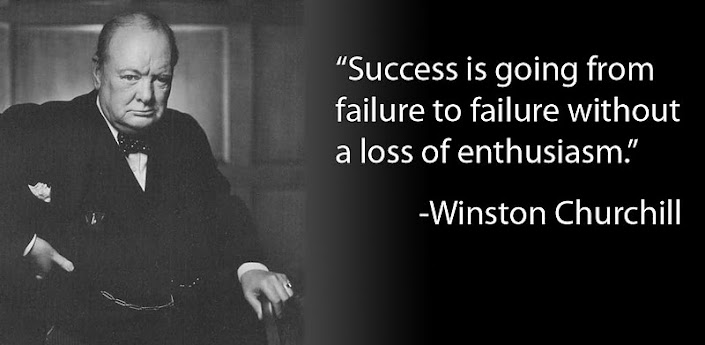
Winston Churchill
Churchill was a prolific painter, producing nearly 600 works throughout his lifetime. Sarah Thomas of Sotheby’s has commented “Churchill took up painting very late… He found relief from all the pressures of his work in his painting.” In December 2006, one piece, ‘View of Tinherir’ from 1951, sold at auction for a record £612,800. According to Thomas, however, it took him a while to master his trade: “His work does vary in quality… A lot of his paintings are pretty poor and amateur and full of splodges.”
viernes, 20 de septiembre de 2013
Sir Edmund Hillary
Sir Edmund Hillary, First
Man to Conquer Mount Everest, Dies at 88

Published
January 10, 2008
Associated
Press
WELLINGTON,
New Zealand – Sir Edmund Hillary, the unassuming beekeeper who conquered
Mount Everest to win renown as one of the 20th century's greatest adventurers,
has died, New Zealand Prime Minister Helen Clark announced Friday. He was 88.
The
gangling New Zealander devoted much of his life to aiding the mountain people
of Nepal and took his fame in stride, preferring to be called "Ed"
and considering himself just an ordinary beekeeper.
"Sir
Ed described himself as an average New Zealander with modest abilities. In
reality, he was a colossus. He was an heroic figure who not only 'knocked off'
Everest but lived a life of determination, humility, and generosity,"
Clark said in a statement.
"The
legendary mountaineer, adventurer, and philanthropist is the best-known New
Zealander ever to have lived," she said.
Hillary's
life was marked by grand achievements, high adventure, discovery, excitement —
and by his personal humility. Humble to the point that he only admitted being
the first man atop Everest long after the death of climbing companion Tenzing
Norgay.
He had
pride in his feats. Returning to base camp as the man who took the first step
onto the top of the world's highest peak, he declared: "We knocked the
bastard off."
The
accomplishment as part of a British climbing expedition even added luster to
the coronation of Britain's Queen Elizabeth II four days later, and she
knighted Hillary as one of her first act.
But he
was more proud of his decades-long campaign to set up schools and health
clinics in Nepal, the homeland of Tenzing Norgay, the mountain guide with whom
he stood arm in arm on the summit of Everest on May 29, 1953.
He wrote
of the pair's final steps to the top of the world: "Another few weary
steps and there was nothing above us but the sky. There was no false cornice,
no final pinnacle. We were standing together on the summit. There was enough space
for about six people. We had conquered Everest.
"Awe,
wonder, humility, pride, exaltation — these surely ought to be the confused
emotions of the first men to stand on the highest peak on Earth, after so many
others had failed," Hillary noted.
"But
my dominant reactions were relief and surprise. Relief because the long grind
was over and the unattainable had been attained. And surprise, because it had
happened to me, old Ed Hillary, the beekeeper, once the star pupil of the
Tuakau District School, but no great shakes at Auckland Grammar (high school)
and a no-hoper at university, first to the top of Everest. I just didn't
believe it.
He said:
"I removed my oxygen mask to take some pictures. It wasn't enough just to
get to the top. We had to get back with the evidence. Fifteen minutes later we
began the descent."
Hillary's
life was marked by grand achievements, high adventure, discovery, excitement —
and by his personal humility. Humble to the point that he only admitted being
the first man atop Everest long after the death of climbing companion Norgay.
His
philosophy of life was simple: "Adventuring can be for the ordinary person
with ordinary qualities, such as I regard myself," he said in a 1975
interview after writing his autobiography, "Nothing Venture, Nothing
Win."
Close
friends described him as having unbounded enthusiasm for both life and
adventure.
"We
all have dreams — but Ed has dreams, then he's got this incredible drive, and
goes ahead and does it," long-time friend Jim Wilson said in 1993.
Hillary
summarized it for schoolchildren in 1998, when he said one didn't have to be a
genius to do well in life.
"I
think it all comes down to motivation. If you really want to do something, you
will work hard for it," he said before planting some endangered Himalayan
oaks in the school grounds.
The
planting was part of his program to reforest upland areas of Nepal.
Hillary
remains the only non-political person outside Britain honored as a member of
the Britain's Order of the Garter, bestowed by Queen Elizabeth II on just 24
knights and ladies living worldwide at any time.
He
reached the summit of Everest four days before Elizabeth was crowned Queen of
Britain and the Empire on June 2, 1953. She immediately knighted the angular,
self-deprecating Hillary, who was just 33.
Throughout
his 88 years, he was always the atypical "typical New Zealander" who
spoke his mind.
In his
1999 book "View from the Summit," Hillary finally broke his long
public silence about whether it was he or Norgay who was the first man to step
atop Everest.
"We
drew closer together as Tenzing brought in the slack on the rope. I continued
cutting a line of steps upwards. Next moment I had moved onto a flattish
exposed area of snow with nothing by space in every direction," Hillary
wrote.
"Tenzing
quickly joined me and we looked round in wonder. To our immense satisfaction we
realized with had reached the top of the world."
Before
Norgay's death in 1986, Hillary consistently refused to confirm he was first,
saying he and the Sherpa had climbed as a team to the top. It was a measure of
his personal modesty, and of his commitment to his colleagues.
He later
recalled his surprise at the huge international interest in their feat. "I
was a bit taken aback to tell you the truth. I was absolutely astonished that
everyone should be so interested in us just climbing a mountain."
Hillary
never forgot the small mountainous country that propelled him to worldwide
fame. He revisited Nepal constantly over the next 54 years.
Without
fanfare and without compensation, Hillary spend decades pouring energy and
resources from his own fund-raising efforts into Nepal through the Himalayan
Trust he founded in 1962.
Known as
"burra sahib" — "big man," for his 6 feet 2 inches — by the
Nepalese, Hillary funded and helped build hospitals, health clinics, airfields
and schools.
He raised
funds for higher education for Sherpa families, and helped set up reforestation
programs in the impoverished country. About $250,000 a year was raised by the
charity for projects in Nepal.
A strong
conservationist, he demanded that international mountaineers clean up thousands
of tons of discarded oxygen bottles, food containers and other climbing debris
that litter the lower slopes of Everest.
His
commitment to Nepal took him back more than 120 times. His adventurer son Peter
has described his father's humanitarian work there as "his duty" to
those who had helped him.
It was on
a visit to Nepal that his first wife, Louise, 43, and 16-year-old daughter
Belinda died in a light plane crash March 31, 1975.
Hillary
remarried in 1990, to June Mulgrew, former wife of adventurer colleague and
close friend Peter Mulgrew, who died in a passenger plane crash in the
Antarctic. He is survived by his wife and children Peter and Sarah.
His
passport described Hillary as an "author-lecturer," and by age 40 his
schedule of lecturing and writing meant he had to give up beekeeping
"because I was too busy."
By that
time he was touring, lecturing and fund-raising for the Himalayan Trust in the
United States and Europe for three months at a time, speaking at more than 100
venues during a tour.
He was
known as ready to take risks to achieve his goals, but always had control so
that nobody ever died on a Hillary-led expedition.

He was at
times controversial. He decried what he considered a lack of
"honest-to-God morality" in New Zealand politics in the 1960s, and he
refused to backtrack when the prime minister demanded he withdraw the comments.
Ordinary New Zealanders applauded his integrity.
He got
into hot water over what became known as his "dash to the Pole" in
the 1957-58 Antarctic summer season aboard modified farm tractors while part of
a joint British-New Zealand expedition.
Hillary
disregarded instructions from the Briton leading the expedition and guided his
tractor team up the then-untraversed Shelton Glacier, pioneering a new route to
the polar plateau and the South Pole.
In 2006
he climbed into a row over the death of Everest climber David Sharp, stating it
was "horrifying" that climbers could leave a dying man after an
expedition left the Briton to die high on the upper slopes.
Hillary
said he would have abandoned his own pioneering 1953 climb to save another
life.
"It
was wrong if there was a man suffering altitude problems and was huddled under
a rock, just to lift your hat, say 'good morning' and pass on by," he
said. "Human life is far more important than just getting to the top of a
mountain."
Named New
Zealand's ambassador to India in the mid-1980s, Hillary was the celebrity of
the New Delhi cocktail circuit. He later said he found the job confining.
He
introduced jetboats to many Ganges River dwellers a decade earlier, in 1977,
when his "Ocean to the Sky" expedition traveled the Ganges by jetboat
to within 130 miles of its source.
The last
segment was by foot, and two mountain peaks near Badranath, where the Ganges
rises, were also climbed. He sought adventure in places as distant from each
other as the Arctic and Antarctic.
Hillary
didn't place himself among top mountaineers. "I don't regard myself as a
cracking good climber. I'm just strong in the back. I have a lot of enthusiasm
and I'm good on ice," he said.
Despite
his fame, he spoke of being "really embarrassed" even when introduced
at a lecture.
"I
really am an ordinary person with a few abilities which I've tried to use in
the best way I can," he said.
The first
living New Zealander to be featured on a banknote, he helped raise nearly
$530,000 for the Himalayan Trust by signing 1,000 of the sparkling new
five-dollar bills sold at a charity auction in 1982. They were snapped up by
collectors round the world.
Honored
by the United Nations as one of its Global 500 conservationists in 1987, he was
also awarded numerous honorary doctorates from universities in several parts of
the world.
One of
his accolades was the Smithsonian Institution's James Smithson Bicentennial
Medal for his "monumental explorations and humanitarian
achievements," awarded in 1998.
Throughout
his life Hillary remembered his first mountain he climbed, the 9,645-foot Mount
Tapuaenuku — "Tappy" as he called it — in Marlborough on New
Zealand's South Island. He scaled it solo over three days in 1944, while in
training camp with the Royal New Zealand Air Force during World War II.
"Tapuaenuku" in Maori means "footsteps of the Rainbow God".
"I'd
climbed a decent mountain at last," he said later.
Like all
good mountaineers before him, Hillary had no special insight into that
quintessential question: Why climb?
"I
can't give you any fresh answers to why a man climbs mountains. The majority
still go just to climb them."
miércoles, 18 de septiembre de 2013
Helga Weissova
Helga Weissova llegó a Terezín con 12 años, y con un bloc y una caja de pinturas propios. Su padre le dijo: "dibuja lo que veas", y en estos dibujos, por ejemplo, se puede ver cómo se preparaba la farsa de Terezín ante la llegada de la inspección de la Cruz Roja:
se embellecía la ciudad a lo largo del trayecto que seguiría la
comisión, se daba a los presos un menú especial, se llenaba la
cafetería y se organizaban eventos deportivos para dar una visión de lo
bien que se vivia en Terezín....

Helga Weissova (12 años)
Prisioneros recortando la madera de las literas para no dar impresión de hacinamiento, ante las inspecciones de Cruz Roja.

Helga Weissova (12 años)
Preparando la visita de la Cruz Roja.
Una de las inquietudes que se respiraban en Terezín, era el ir y venir constante de los trenes,
que llegaban descargando a gran cantidad de personas, o que se
marchaban hacia un destino desconocido y desconcertante. Esto se ve en
varias imágenes y dibujos:

“LA PARADA DE LA MUERTE”
"Cerca del Palacio de Exposiciones había unos amplios cobertizos en los cuales, sobre el piso de tierra, debían reunirse las víctimas destinadas al traslado a Terezin"
"Fuimos juntos hasta el último
punto al que les estaba permitido llegar a los acompañantes, le di un
abrazo, nos besamos y Petr se dirigió hacia la entrada. Miró varias
veces hacia atrás, nos saludamos agitando los brazos y desapareció al
atravesar el portal"
Diario de Praga
(El Diario de Petr Ginz 1941-1942)

"De allí salí luego en tren hacia Terezin, pero el tren no llegó exactamente hasta el gueto. Llegó hasta unos cuatro kilómetros antes del gueto.
Cada uno tenía que tomar su
maleta y caminar con ella con la nieve hasta las rodillas. Había niños
pequeños, había niños que lloraban, había niños de mi edad, que de
pronto dejaron de ser niños. Sucedió en un instante, la infancia se
terminó. ¿Quién podía ayudarte?"
Eva Arben,
Archivo de testimonios de Yad Vashem.
Otra de sus preocupaciones era la mala y escasa alimentación, las enfermedades y la muerte:

“La sopa de patata y nabo era la base de nuestra dieta, junto con el pan.
Las verduras eran cortadas o hechas puré. No tuvimos ni carne ni leche; nada nutritivo durante cuatro años”
(Entrevista a mi madre, Emilie "Miryam" Sapsovic Levy, niña superviviente del campo de Terezin. Esther V. Levy. 1999)
El hacinamiento. Dormitorios de varias literas donde vivían hacinados y sin condiciones de higiene. En esta imagen vemos dos dibujos de dormitorios hechos por niños:

Mientras la realidad de Terezín se disfrazaba de farsa, instructores y niñeras procuraban construir un paraíso especial para los niños. Para ellos se crearon hogares especiales (Heim),
donde los niños recibían clases, y realizaban talleres de dibujo,
escritura, hacían teatro y gozaban de la diversión y el juego que todo
niño merece. El papel de los instructores era esencial. Procuraban a los
niños el papel de los padres.

"Sentíamos que la pequeña isla de la infancia estaba a nuestro cuidado,
que sobre nosotros pesaba el deber de cuidarlos todo lo que fuese
posible y educarlos para ser personas honradas cuando ese infierno
terminase."
(De las memorias de una niñera
en el hogar para niños L318, en: Moradas para niños en el gueto de
Terezin, Beit Theresienstadt con la colaboración de Minhal Jevra vaNoar,
Misrad haJinuj, Tarbut veSport, 1997, pág. 8 )
Gran parte de la actividad creativa de Terezín, nació en los Heim,
donde nacieron revistas de escritos y poemas (la mayoría hechos por
chicos) y gran cantidad de dibujos, pinturas y recortables, algunos
espontáneos y otros guiados por profesores artistas, que lucharon no
solo por sacar el espíritu creativo de los niños, sino además, gracias a
él, evadirles de la realidad en la que se encontraban prisioneros,
dejándoles dar rienda suelta a su imaginación, a sus emociones y a sus
recuerdos.
Muchos de estos dibujos son realistas, como los de Helha Weissova o los de Petr Ginz, y otros simplemente fantásticos, evocadores de sueños o de la vida pasada, y otros costumbristas.
Friedl Dicker Brandeis
dedicó su internado a enseñar clandestinamente arte y pintura como
terapia evasiva a muchos de esos niños. Antes de marchar al patíbulo,
Friedl rescató 4.500 de los dibujos que más tarde sirvieron como prueba en Nuremberg y que son testimonio indeleble de aquella barbarie.
Friedl Dicker consiguió que aquellos niños recordaran, dibujando, la vida de la que habían sido arrancados además de representar la triste y horrible realidad del campo de concentración.
Friedl Dicker consiguió que aquellos niños recordaran, dibujando, la vida de la que habían sido arrancados además de representar la triste y horrible realidad del campo de concentración.

Alfred Kantor. 17 Años .
Escribió sobre su dibujo: ”Tocar la alambrada significaba la muerte instantánea. Aún así, la gente compartía pan, una sonrisa, una lágrima…“.
Escribió sobre su dibujo: ”Tocar la alambrada significaba la muerte instantánea. Aún así, la gente compartía pan, una sonrisa, una lágrima…“.
Por encima de todo, los niños podían transportarse con la pintura a un mundo de fantasía e imaginación donde el bien permanecía sobre el mal, la voluntad era libre y la esperanza el camino. Son constantes los dibujos representando su vuelta a casa, las escenas cotidianas o sus deseos de libertad. Pero Friedl Dicker respetaba plenamente la personalidad de cada niño y dejaba que vomitasen y abriesen a su imaginación las percepciones que sobre las atrocidades del campo ellos tenían.
Muchos de los dibujos tienen una excelente calidad para la edad de sus autores, no en vano, algunos de ellos fueron, más tarde, reputadísimos artistas gracias a la labor insigne de Friedl Dicker Brandeis.

Edita Pollakova. 9 Años . Llegada del tren de deportaciones a Terezín. Edita murió el 4 de octubre de 1944 en Auschwitz

Yehuda
Bacon. Con 16 Años, al salir de Terezín, dibujó este retrato de su
padre recientemente gaseado y cremado en Auschwitz. La cara de su
progenitor emerge, demacrada, sobre una cortina de humo.
Este dibujo me tiene especialmente impresionada.

Suscribirse a:
Entradas (Atom)