

Solo palabras
jueves, 29 de noviembre de 2012


miércoles, 28 de noviembre de 2012
La Liebre Sabia

En el pasado, cuando Brahmadatta reinaba en Baranasi, el Bodhisatta [2] nació como una liebre y vivía en el bosque. A un lado de ese bosque estaba el pie de una montaña, en el otro lado había un río y en el otro lado había un poblado de frontera. También allí vivían sus tres amigos: un mono, un chacal y una nutria. Estos cuatro sabios vivían juntos, obtenían comida en sus respectivos lugares y por la tarde se reunían. La liebre sabia exhortaba a sus tres compañeros con una plática del Dhamma: “Hay que practicar generosidad, observar preceptos y realizar los actos de Uposatha”. [3] Ellos después aceptar su exhortación, se retiraban a sus propias moradas y allí residían. Así pasó el tiempo. Un día el Bodhisatta miró al cielo, vio la luna, comprendió “Mañana es el día de Uposatha” y le dijo a los otros tres: “Mañana es Uposatha, ustedes tres gentes deben observar los preceptos y en el día de Uposatha. Habiéndose establecido en los preceptos, el donativo dado produce gran fruto. Por lo tanto, si viene algún mendicante, deberían dar de su propia comida. Ellos aceptaron diciendo “muy bien” y se retiraron a sus lugares de residencia.
El día siguiente, temprano, la nutria pensando “buscaré comida” salió y fue a la orilla del río. Entonces, un cierto pescador había sacado siete pescados rojos. Después de ensartarlos en un junco, los trajo, hizo un hueco en la arena en la orilla del río, los enterró y continuó pescando río abajo. La nutria percibió el olor a pescado, cavó en la arena, los vio y los sacó. Tres veces anunció: “¿Quién es el dueño?” No viendo al dueño, mordió el extremo del junco con los pescados, los llevó y los guardó en su morada reflexionando en sus preceptos: “Los comeré en el momento apropiado”.
El chacal también salió de su lugar de residencia y buscando comida encontró en la cabaña de un cierto velador de campo dos estacas con carne, una iguana y una jarra de leche cuajada. Tres veces anunció: “¿Quién es el dueño?” No viendo al dueño, colocó en su cuello la cuerda para levantar la jarra de leche cuajada, mordió las dos estacas con carne y la iguana, llevó todo esto y lo guardó en su morada reflexionando en sus preceptos: “Lo comeré en el momento apropiado”.
El mono también salió de su lugar de residencia, entró en el monte, tomó una rama con mangos, la llevó y guardó en su morada reflexionando en sus preceptos: “Los comeré en el momento apropiado”.
El Bodhisatta acostado en su propia morada pensó: “Voy a salir a comer pasto en el momento apropiado. Si alguien viene a pedir, no es posible dar pasto. No tengo ni ajonjolí ni arroz ni nada que dar. Si alguien viene a pedirme, daré la carne de mi propio cuerpo”. En ese momento, por el poder de la virtud del Bodhisatta el trono de piedra de Sakka [4] mostró signo de calor. Sakka, investigando, vio la razón y pensó “investigaré al rey liebre”. Pero primero fue al lugar de residencia de la nutria bajo la apariencia de un brahmán. La nutria sabia dijo: “¿Brahmán, para qué vienes?” “Si puedo obtener algo de comida, observaré Uposatha”. La nutria dijo “muy bien, te daré mi comida” y conversando con él pronunció el primer verso:
Mis siete peces rojos, sacados del agua a tierra firme, esto, brahmán, yo tengo. Después de comerlos, vive en el bosque.El brahmán dijo “después veré” y fue a ver al chacal. Cuando el chacal preguntó: “¿Para qué vienes?” El brahmán respondió lo mismo. El chacal dijo “muy bien, te daré” y conversando con el brahmán pronunció el segundo verso:
La cena de un cierto velador de campo yo traje, dos estacas de carne, una iguana y una jarra de leche cuajada. Esto, brahmán, yo tengo. Después de comerlos, vive en el bosque.El brahmán dijo “después veré” y fue a ver al mono. Cuando el mono preguntó: “¿Para qué vienes?” El brahmán respondió lo mismo. El mono dijo “muy bien, te daré” y conversando con el brahmán pronunció el tercer verso:
Mango maduro, agua fresca y una deleitable sombra, esto, brahmán, yo tengo. Después de comerlos, vive en el bosque.
El brahmán dijo “después veré” y fue a ver a la libre sabia. Cuando la liebre preguntó: “¿Para qué vienes?” El brahmán respondió lo mismo. Habiéndolo escuchado, el Bodhisatta se llenó de regocijo y dijo: “Brahmán, haz hecho bien en venir a mi presencia para pedir comida. Hoy, yo daré algo que nunca di antes. Tú porque eres virtuoso no matarás. Va, brahmán, junta madera, prepara un fuego e infórmame. Yo renunciaré a mí mismo y me arrojaré en el medio del fuego. Cuando mi cuerpo este cocido, tú podrás comer mi carne y después observar el Dhamma de los ascetas”.
Después de escuchar al Bodhisatta, Sakka preparó una pila de brasas usando sus poderes sobrenaturales y lo informó. El Bodhisatta se levantó de su lecho de hierbas y fue allí. “Si hay insectos en mi piel, que ellos no mueran”, sacudió su cuerpo tres veces y ofreciendo todo su cuerpo se lanzó y descendió en la pila de brasas regocijándose como un cisne real en un lago de lotos. Pero ese fuego no pudo quemar ni siquiera las meras puntas de los cabellos de la piel del Bodhisatta. Fue como entrar en una matriz de hielo. Entonces, se dirigió a Sakka: “Brahmán, el fuego que tú preparaste es muy frío. No pudo ni siquiera quemar las puntas de los cabellos de mi piel. ¿Qué es esto?”. “Liebre sabia, yo no soy un brahmán, soy Sakka. Vine para probarte”. El Bodhisatta pronunció el rugido del león: “Sakka, tú eres el primero. Pero si todo los habitantes del mundo fueran a probar mi generosidad, no encontrarían nunca en mí falta de disposición para dar”.
Entonces, Sakka dijo: “Liebre sabia, que tus virtudes se conozcan por un eón”. Y después de moler la montaña, tomó la esencia y dibujó la forma de la liebre en el disco de la luna. Tomó al Bodhisatta y lo acostó en un lecho de hierbas tiernas en el mismo lugar en ese monte, en ese bosque, y regresó al cielo. Y esos cuatro sabios, en armonía y en paz, observando los preceptos, practicando generosidad y realizando los actos de Uposatha, partieron de acuerdo con sus acciones.
El Maestro después de relatar este discurso del Dhamma reveló las verdades y mostró la conexión de la historia. Al final de las verdades, el dueño de casa donador de todos los requisitos se estableció en la fruición de la entrada en la corriente.En esa ocasión la nutria era Ànanda, el chacal era Moggallàna, el mono era Sàriputta y la liebre sabia era yo mismo.
Roald Amundsen

By Linn Ryne
It is 87 years since Roald Amundsen, on December 14th 1911, stood victorious at the South Pole. He had reached a goal that was the dream of many men. For the first time, human voices broke the awesome silence of the world's southernmost point.
The achievement was to bring fame to Amundsen and his men. But in a letter, describing his reactions at that time, Amundsen openly confessed that "no man has ever stood at the spot so diametrically opposed to the object of his real desires", which for the ambitious Norwegian was the North Pole. For Amundsen a new goal always beckoned. He himself described his life as a "constant journey towards the final destination."
Amundsen was born in 1872 at Borge, near the town of Sarpsborg, in southeast Norway. From boyhood days his life was singularly purposeful. No nagging doubts troubled his firm resolution. He wished to be a polar explorer. He devoured all the literature he could acquire on polar exploration, particularly the ill-fated journey of the British explorer, Sir John Franklin, who with the "Erebus" and the "Terror" set out to find the Northwest Passage in 1845, and never returned. Like Fridjof Nansen, he devoted a great deal of time to training and strengthening his physique to make his body a perfect instrument for the hazardous adventures he was determined to undertake. However, he was a dutiful son, and bowed to his mother's wish that he study medicine. But at the age of 21, when both his parents had died, Roald Amundsen sold his medical textbooks, packed away the cranium he had studied and announced his intention of becoming a polar explorer.
ANTARCTIC EXPERIENCE
From his painstaking study of polar exploration literature, Amundsen had learned that a common failing among polar explorers was their inability to captain a vessel. With his usual systematic approach Amundsen decided to study for his master's ticket, and in 1894 he went to sea aboard a sealing vessel. Three years later he was appointed first mate on board the "Belgica" on a Belgian-financed Antarctic expedition led by polar explorer Adrien de Gerlache de Gomery. The purpose of the voyage was to investigate the coast of Antarctica, but the expedition almost ended in disaster when the ship froze into the ice near Peter I's Island, as a result of the leader's inexperience in the polar regions. Thirteen months of anxious isolation followed before the "Belgica" finally shook off the last of the ice and entered open water. The preceding months had been arduous in the extreme. Virtually all the expedition members contracted scurvy and when the captain fell ill, Amundsen took over command. He quickly rose to the situation and put the crew to work catching seals and penguins and making warm clothes out of woollen blankets. The "Belgica" was under Amundsen's command when it finally broke out of the ice in March 1899, making the expedition the first--albeit highly involuntary--ever to stay the winter in the Antarctic.His captain's ticket now obtained Amundsen set about planning his own Arctic expedition, in search of the Northwest Passage, the believed sea route north of the North American continent, which many had attempted to find. He realized that to gain financial backing, the expedition must have a scientific goal. In Amundsen's opinion the magnetic north pole would be a suitable subject. He therefore left for Hamburg, where he studied earth magnetism, and at the same time laid meticulous plans for his expedition.

THE NORTHWEST PASSAGE
The vessel Amundsen selected for the voyage was the "Gjøa" a 47 ton, 70 foot sloop which--loaded to the gunwales--set out from Christiania (now Oslo) in June 1903. The "Gjøa" crossed the North Atlantic, then hugged the west coast of Greenland before crossing to the northern end of Baffin Island. The voyage continued into Lancaster Sound where the "Gjøa" started to nose its way through the labyrinth of islands off Canada's northwest coast. Ice floes, violent winds, fog and shallow waters were constant hazards, but towards the end of the summer the expedition found a natural harbour on King William Island, northwest of Hudson Bay. Another advantage of the location was that it was so close to the magnetic north pole that precise scientific measurements could be made there. For two years the expedition remained at the port that the men named Gjøahavn. There they built observatories, equipping them with high precision instruments. The studies they undertook not only established the position of the magnetic north pole,but also included observations of such precision that they provided experts on polar magnetism with sufficient work to last them for 20 years. Amundsen also learned from the Eskimos how to drive dog teams. He carefully observed the clothes the Eskimos wore, the food they ate and their customs, storing it all in his retentive memory for later use in polar regions. In August 1905, the scientific work was completed and the "Gjøa" resumed its westerly course through fog and drift ice. So shallow was the channel that at one point the vessel had only one inch of water beneath its keel. As the "Gjøa" moved slowly along its perilous course, Amundsen and his crew realized that they would soon be in waters that were known and charted by navigators moving eastwards from Alaska. Should no further problems arise they would have completed the final stage of their journey through the Northwest Passage. After three weeks of mounting tension and excitement the expedition sighted a whaling ship out of San Francisco. The "Gjøa" had successfully navigated the Northwest Passage, the first vessel to do so. But shortly after this it froze into the ice, where it remained all winter.Anxious to tell the world of the expedition's achievement, Amundsen and an American companion set off in October with dog teams, travelling almost 500 miles across the ice to Eagle City in Alaska, where there was a telegraph connection with the outside world. This, his first long trip with dogs took him across 2,700 m high mountains, but on December 5, he reached Eagle City, and the news of his feat was transmitted to the world.
A CHANGE OF PLANS
Now a world-renowned explorer Amundsen held a series of lectures throughout the world to pay for the Northwest Passage expedition and to gather funds for the most daring project remaining in the Arctic--the conquest of the North Pole. His new-found fame rapidly brought him the necessary capital and he was soon laying plans to drift across the pole in a ship which was frozen into the ice. The ship had even been procured. Amundsen approached Fridtjof Nansen and asked to borrow the "Fram" in which Nansen and his crew had spent three years--1893-96--drifting with the ice from Siberia towards the North Pole. Nansen had himself had plans for the "Fram" but such was his generosity that he agreed to Amundsen's request. But Amundsen's plans were shattered when, in April 1909 came the news that American Robert Peary had reached the North Pole. In a lightning-fast reaction Amundsen simply reversed his plans, changing the destination of his expedition "just as swiftly as the news (of Peary's achievement) had sped through the cables," as he himself said. Preparations continued, but with the destination changed--to the South Pole. It was widely known that Englishman Robert Falcon Scott was working on his second attempt to reach the South Pole, and Amundsen--with his driving ambition to be first--resolved to get there before him. Not until the "Fram" reached Madeira, in the summer of 1910, did Amundsen make known to the world that he too was to make a bid for the Pole. A telegram relating the news reached Scott just as his expedition was leaving New Zealand.In January 1911, the "Fram" dropped anchor in the Bay of Whales. This Antarctic base had been carefully selected by Amundsen for its location, 60 miles closer to the Pole then Scott's base at Cape Evans. During February and March the men placed seven depots along the initial stretches of the route that was to be followed. Eminently practical, Amundsen had decided to mark the route with stockfish, which could subsequently serve as provisions.
October 19 marked the start of the polar assault itself, when Amundsen set off with four companions, and four light sledges, each pulled by 13 dogs. The first stages of the journey were surprisingly easy. At times it was even possible to just let the dogs pull the sledges while the men held on to the traces and were drawn along in comfort. All this changed when the bottomless crevasses and endless ice ridges of the Axel Heiberg Glacier posed a formidable barrier, which taxed all the strength and courage of the well-trained men. But with this obstacle behind them, the five men made relatively easy progress across the final vast plateau to the South Pole itself. Excitement mounting, they approached the Pole point. Their natural fears that Scott might, after all, have beaten them to the goal were assuaged by confidence that their rapid progress would ensure them victory. And on December 14, the Pole point was reached.
Amundsen's victory in the race for the South Pole had by no means satisfied his desire to reach new goals. On his return from Antarctica, he immediately put preparations in hand for a new expedition. The Arctic was still Amundsen's first love, and he aimed to explore its remaining unknown areas and to repeat Nansen's attempt to drift over the Pole. WWI delayed the execution of the plan, but in June 1918 the expedition left Norway. The "Fram" was no longer in a condition to use, so Amundsen designed his own ship, the "Maud," christening it--characteristically enough--not with champagne, but with a block of ice.
DISAPPOINTMENT ON THE "MAUD"
The "Maud" expedition, loaded with apparatus for oceanographic meteorological and earth magnetism measurements, was the biggest and best equipped geophysical expedition ever to have embarked on polar exploration. But the project was to bring one disappointment after another. Sailing into the Arctic it froze into the coastal ice and lay helpless for the two first winters. It soon needed extensive repairs. These were carried out in Seattle where the "Maud" was equipped for more years in the ice. But in June of 1922 the ship again moved north, only to freeze fast by Wrangel Island, on the far northeast of the USSR. The ship moved with the ice onto the continental shelf off northeastern Siberia, where it remained for three years. The ambitious expedition had failed to attain its geographical goals, but the geophysical data which was compiled, largely by meteorologist/oceanographer Harald Ulrik Sverdrup, earned the ""Maud" expedition the reputation of being one of the most important research projects ever carried out in the Arctic. Something had been salvaged from the wreckage of disappointment.
WINGS OVER THE POLE?
Amundsen had shown an early interest in aviation as an aid to polar research. On its last venture northwards the "Maud" had on board two small planes. One of these was intended for observation purposes, the other, a larger craft, for flying due north from Alaska. Both aircraft crashlanded fairly soon, though the pilots survived the accidents. The "Maud's" failure to achieve its primary goal had not inspired confidence in any air conquest of the North Pole. Amundsen met little interest in his attempts to gather funds for his latest endeavour--to be the first man to fly over the North Pole.Arriving in New York after an unsuccessful lecture tour, his spirits at a low ebb, Amundsen was contacted by an American hitherto unknown to him, Lincoln Ellsworth. To Amundsen's delight he proposed to finance the purchase of two flying boats and to cover some of the other expenses in return for taking part in the expedition. Amundsen procured pilots and mechanics for the two aircraft and on May 21 1925 the two planes took off from Spitsbergen headed for Alaska. But as early as the next morning one of the aircraft's petrol tanks sprang a leak, and the other had engine trouble. Both aircraft landed on the ice some 150 km from the Pole. Only one of them could be used after this. After the six men--using only hand tools--had hewn out a primitive runway, the pilot, Hjalmar Riiser-Larsen, in a masterly exhibition of the art of flying, managed to take off with all six men on board. The aircraft was overloaded, but with its last drops of fuel managed to reach Nordaustlandet, an island in the Svalbard group, where the six men were plucked from the sea and brought back to Norway.
Contrary to expectations, this most unsuccessful of all Amundsen's polar exploits caught the popular imagination of the whole world. Amundsen was again a hero and was accorded a rapturous welcome when he returned to Oslo. Amundsen described the reception as the happiest memory of his life.
TRIUMPH--ON THE "NORGE"
Now convinced that aircraft were not yet suited to transpolar flights, Amundsen thought that it might be possible to fly from continent to continent in an airship. In a surprisingly short space of time he procured funds for a new venture. On May 11 1926 the tireless explorer left Spitsbergen aboard the airship "Norge" (Norway). With him were Lincoln Ellsworth, Italian Umberto Nobile--who had constructed the vessel and flew it--and the brilliant pilot Hjalmar Riiser-Larsen, who served as navigator. In addition there was a crew of 12. After a flight of only 16 hours, the jubilant men were able to drop the Norwegian, American and Italian flags over the North Pole. On 14 May the "Norge" landed at Teller in Alaska. The crew had covered 5,456 kilometres in 72 hours, and were the first men to have flown from Europe to America. The route of the "Norge" had been plotted right across unknown polar territory, and Amundsen was able to state that there were no land areas there. The last remaining blank on the world map had been filled in.The acclaim of the world reached new heights. In the USA and Japan in particular, his name was especially revered. But the period was saddened by an unfortunate enmity that had arisen between Amundsen and Umberto Nobile, who tried to detract from Amundsen's part in the "Norge" flight, while Amundsen criticized the airship.
Nevertheless, he showed his magnanimity to the full when the news came in May, 1928 that Nobile's new airship, the "Italia" had crashed in the Arctic.
Without hesitation Amundsen volunteered to take part in a rescue attempt, and in June he was one of six men who took off from the town of Tromsø in a French aircraft, the Latham. Nobile and his crew were rescued on 22 June. But three hours after Amundsen's plane took off it transmitted what were to be its final signals. The aircraft never returned.

martes, 27 de noviembre de 2012
En una oportunidad el célebre Pablo Picasso, había sido invitado por otro colega, pero no conocido como el singular maestro, a fin de mostrarle alguna de sus .
Al hacer la visita, Picasso observó que las telas expuestas estaban muy bien logradas, pero que tenían una particularidad : En todas ellas aparecía una misma mujer. En una se la veía semidesnuda; en otra, vestida; en aquélla, de pie; en la de más acá, a caballo y así sucesivamente.
---Encuentro perfécta a cada una de sus obras-- dijo Picasso al pintor con toda franqueza--. Sólo quisiera hacerle una observación si Usted me lo permite.
---¡ Oh, por favor, hágala con toda libertad maestro!, es importante para mí aceptar una crítica, por severa que sea, sobre todo si es hecha por Ud, con buena intención.
--Bién, mi observación es ésta: ¿ Por qué se sirve Ud de la misma modelo, máxime cuando se trata de una modelo tan fea como ésta?, ¡ Fíjese que piernas de mujer! ¡Qué cabellos!, si se ve enseguida que es una persona vulgar.
En aquél momento se abrió la del estudio y entró una dama, en la cual Picasso reconoció enseguida al original de la modelo.
Y el pintor, un tanto confuso le dijo al maestro:
--Permítame Ud que le presente a mi señora...
lunes, 26 de noviembre de 2012
Zaratustra

Zaratustra fue el primer fundador de una religión en la historia. Él fue el primero en predicar el Monoteísmo. Él fue el primero en proclamar un mensaje para TODOS los mortales - un mensaje universal. Él fue el primero en predicar igualdad de todos sin tener en cuenta la raza, género, clase o nacionalidad. ¡En un momento cuando la humanidad apenas estaba fuera de la Edad de la Piedra, cuando la fuerza determinaba lo correcto, Zaratustra proclamó que un líder debe de elegirse a causa de su rectitud siendo por eso el primero en la historia, sembrando las semillas de la democracia!
Zaratustra proclamó haber recibido una visión de Dios, un Dios él llamó Mazda Ahura, el Dios Sabio. Su Dios es uno que quiere a toda su creación viviente y desea promover su frescura y preservarla. ¡Él quiere que los mortales lo ayuden activamente y trabajen como Sus colaboradores en esta tarea de promoción y preservación de Su "Buena Creación". Este "Mantran" fue así el primero en presentarnos hace unos 3700 años al concepto de "ecología!"
En los Gazas, el mensaje sublime de Zaratustra a la humanidad es tan simple que se contiene en un libro pequeño de 17 canciones llamado "Los Gazas de Zaratustra". La palabra "Gaza" quiere decir canciones o himnos. Aun asi este libro pequeño contiene muchas verdades profundas y únicas Para comprenderlos es importante entender ciertos conceptos Gazicos.
domingo, 25 de noviembre de 2012
Demóstenes

Cuando murió su padre. Demóstenes apenas era un niño y la herencia quedó en manos de sus tutores.
Al alcanzar la mayoría de edad, decidió llevarlos a juicio pero su escasa voz, su tartamudez y su incapacidad para la improvisación hicieron que el jurado no le prestara atención.
Demóstenes se afeitó la mitad de la cabeza para no caer en la tentación de volver a hablar ante el jurado hasta que no estuviera preparado.
Pasó un largo período de tiempo a orillas del mar, durante el cual se introducía guijarros en la boca para hacer sus ejercicios orales y superar su tartamudez, a la vez que hablaba en voz alta para que su discurso pudiera ser oído a pesar del murmullo de las olas.
Cuando lo consiguió, volvió a Atenas y reanudó el pleito. El jurado, convencido por su brillante discurso, le permitió recuperar una parte de su herencia.
Al alcanzar la mayoría de edad, decidió llevarlos a juicio pero su escasa voz, su tartamudez y su incapacidad para la improvisación hicieron que el jurado no le prestara atención.
Demóstenes se afeitó la mitad de la cabeza para no caer en la tentación de volver a hablar ante el jurado hasta que no estuviera preparado.
Pasó un largo período de tiempo a orillas del mar, durante el cual se introducía guijarros en la boca para hacer sus ejercicios orales y superar su tartamudez, a la vez que hablaba en voz alta para que su discurso pudiera ser oído a pesar del murmullo de las olas.
Cuando lo consiguió, volvió a Atenas y reanudó el pleito. El jurado, convencido por su brillante discurso, le permitió recuperar una parte de su herencia.
viernes, 23 de noviembre de 2012
Buda peregrinaba por el mundo para encontrarse con aquellos que se decían sus discípulos y hablarles acerca de la Verdad.
A su paso, la gente que creía en sus decires venía por cientos para escuchar su palabra, tocarlo o verlo, seguramente por única vez en sus vidas.
Cuatro monjes que se enteraron de que Buda estaría en la ciudad de Vaali, cargaron sus cosas en sus mulas y emprendieron el viaje que llevaría, si todo iba bien, varias semanas.
Uno de ellos conocía menos la ruta a Vaali y seguía a los otros en el camino.
Después de tres días de marcha, una gran tormenta los sorprendió. Los monjes apuraron el paso y llegaron al pueblo, donde buscaron refugio hasta que pasara la tormenta.
Pero el último no llegó al poblado y debió pedir refugio en casa de un pastor, en las afueras. El pastor le dio abrigo, techo y comida para pasar la noche.
A la mañana siguiente, cuando el monje estaba pronto para partir fue a despedirse del pastor. Al acercarse al corral,.vio que la tormenta había espantado las ovejas del pastor y que éste trataba de reunirlas.
El monje pensó que sus cofrades estarían dejando el pueblo y si no salía pronto, los demás se alejarían. Pero él no podía seguir su camino, dejando a su suerte al pastor que lo había cobijado. Por ello decidió quedarse con él hasta juntar el ganado.
Así pasaron tres días, tras los cuales se puso en camino a paso redoblado, para tratar de alcanzar a sus compañeros.
Siguiendo las huellas de los demás, paró en una granja a reponer su provisión de agua.
Una mujer le indicó dónde estaba el pozo y se disculpó por no ayudarlo, pero debía seguir con la cosecha... mientras el monje abrevaba sus mulas y cargaba sus odres con agua, la mujer le contó que tras la muerte de su marido, era difícil para ella y sus pequeños hijos llegar a recoger la cosecha antes de que se pudriera.
El hombre se dio cuenta de que la mujer nunca llegaría a recoger la cosecha a tiempo, pero también supo que si se quedaba, perdería el rastro y no podría estar en Vaali cuando Buda arribara a la ciudad.
Lo veré algunos días después, pensó, sabiendo que Buda se quedaría unas semanas en Vaali.
La cosecha llevó tres semanas y apenas terminó la tarea, el monje retomó su marcha...
En el camino, se enteró de que Buda ya no estaba en Vaali. Buda había partido hacia otro pueblo más al norte.
El monje cambió su rumbo y se dirigió hacia el nuevo poblado.
Podría haber llegado aunque más no fuera para verlo, pero en el camino tuvo que salvar a una pareja de ancianos que eran arrastrados corriente abajo y no hubieran podido escapar de una muerte segura. Sólo cuando los ancianos estuvieron recuperados, se animó a continuar su marcha sabiendo que Buda seguía su camino...
...Veinte años pasaron con el monje siguiendo el camino de Buda... y cada vez que se acercaba, algo sucedía que retrasaba su andar. Siempre alguien que necesitaba de él evitaba, sin saberlo, que el monje llegara a tiempo..Finalmente se enteró de que Buda había decidido ir a morir a su ciudad natal.
Esta vez, dijo para sí, es la última oportunidad. Si no quiero morirme sin haber visto a Buda, no puedo distraer mi camino. Nada es más importante ahora que ver a Buda antes de que muera. Ya habrá tiempo para ayudar a los demás, después.
Y con su última mula y sus pocas provisiones, retomó el camino.
La noche antes de llegar al pueblo, casi tropezó con un ciervo herido en medio del camino. Lo auxilió, le dio de beber y cubrió sus heridas con barro fresco. El ciervo boqueaba tratando de tragar el aire, que cada vez le faltaba más.
Alguien debería quedarse con él, pensó, para que yo pueda seguir mi camino.
Pero no había nadie a la vista.
Con mucha ternura acomodó al animal contra unas rocas para seguir su marcha, le dejó agua y comida al alcance del hocico y se levantó para irse.
Sólo llegó a hacer dos pasos, inmediatamente se dio cuenta que no podría presentarse ante Buda, sabiendo en lo profundo de su corazón que había dejado solo a un indefenso moribundo...
Así que descargó la mula y se quedó a cuidar al animalito. Durante toda la noche veló su sueño como si cuidara a un hijo. Le dio de beber en la boca y cambió paños sobre su frente.
Hacia el amanecer, el ciervo se había recuperado.
El monje se levantó, se sentó en un lugar apartado y lloró... Finalmente, había perdido también su última
oportunidad.
—Ya nunca podré encontrarte –dijo en voz alta.
—No sigas buscándome –le dijo una voz que venía desde sus espaldas— porque ya me has encontrado.
El monje giró y vio cómo el ciervo se llenaba de luz y tomaba la redondeada forma de Buda.
jueves, 22 de noviembre de 2012
Pete Gray

BY
Pete Gray is a player you may not have heard of. He only hit .218, with no homers and 13 RBI in his lone season, 1945. He played for the St. Louis Browns as a left fielder.
I know what you're thinking. Why am I talking about him? Well, he's the position player version of Mordecai Brown, except more extreme.
Peter Gray was born in Nanticoke, PA. He was right-handed until the age of six. He slipped riding his father's wagon and his right arm was caught in the spokes. He hurt it so severely his right arm had to be amputated.
His love for the game of baseball kept him playing.
He fielded the ball one-handed, catching the ball in his glove and then quickly removing his glove and transferring the ball to his hand in one motion.
His speed and contact hitting carried him to a very successful minor-league career. In 1944, he was named Southern League Most Valuable Player. In 1944, he had 63 steals and hit .333.
Talk about heart.
During his career, he played for many semi-pro teams, such as the Trois Rivieres Renards, the Memphis Chicks, and the Brooklyn Bushwicks.
The Browns were impressed by his play in semi-pro baseball, so they decided to purchase his contract.
His performance was nothing to write home about. He hit .218 with a .958 fielding percentage. Still, it's amazing that he got a hit with one hand: one he doesn't throw with naturally. It's also amazing he was able to have a fielding percentage and not make an error every time.
That makes a guy like Manny Ramirez all the more lazy. If a guy can field a hit and transfer the ball to his non-throwing hand and throw the ball into the infield, Manny can turn sideways and throw the ball to the infield or run full speed to first base for over $20M a year.
"Boys, I can’t fight, and so there is no courage about me. Courage belongs on the battlefield, not on the baseball diamond." That is what Pete Gray lived by, every single day.
Gray inspired many American soldiers during World War II, visiting Army hospitals, rehabilitation centers, speaking with amputees, and telling them that they too could have a good life.
From 1946 to 1949, he played with the Toledo Mud Hens, Elmira Pioneers, and Dallas Stars of the Minor Leagues. Gray died on June 30, 2002 and had his glove donated to the Baseball Hall of Fame in Cooperstown, NY.
miércoles, 21 de noviembre de 2012
Ingrid Jonker

The child is not dead
The child lifts his fists against his mother
Who shouts Afrika ! shouts the breath
Of freedom and the veld
In the locations of the cordoned heart
The child lifts his fists against his father
in the march of the generations
who shouts Afrika ! shout the breath
of righteousness and blood
in the streets of his embattled pride
The child is not dead
not at Langa nor at Nyanga
not at Orlando nor at Sharpeville
nor at the police station at Philippi
where he lies with a bullet through his brain
The child is the dark shadow of the soldiers
on guard with rifles Saracens and batons
the child is present at all assemblies and law-givings
the child peers through the windows of houses and into the hearts of mothers
this child who just wanted to play in the sun at Nyanga is everywhere
the child grown to a man treks through all Africa
the child grown into a giant journeys through the whole world
Without a pass

lunes, 19 de noviembre de 2012

domingo, 18 de noviembre de 2012
Immanuel Kant
Kant believed in the supremity of rational order: The more rational the being, the more a person is that being. This led to some peculiar behavior on Kant's part. He awoke every day at the same time. He insisted on having no fewer than two and no more than five guests for dinner every day at exactly one in the afternoon. After dinner he would go for a walk, back and forth exactly eight times on one street. His walk time was so regulated that it was reported townsfolk could set their clocks by him.
The University of Koenigsberg, where Kant taught philosophy, was chronically understaffed. Lacking professors, Kant was frequently asked to teach subjects he was not qualified to teach. How did Kant teach the subjects? He made it up.
Kant once received a letter from a young lady who had read his works on ethics. Prizing Kant's genius, she sought advice on what she should do about a certain problem of hers. She was engaged to marry a gentleman whom she loved, but she was not a virgin. She wanted to know whether she should tell the man or keep quiet. Kant advised her that she must tell her fiancee. The fiancee broke off the marriage. Distraught, the woman wrote to Kant again, deeply troubled over the result of her decision and admitting she was having doubts over Kant's system of ethics. She asked if she might come to Koenigsberg to meet with Kant and discuss her doubts. Although he received the letter in a timely fashion, he chose never to reply. The woman committed suicide after some time.
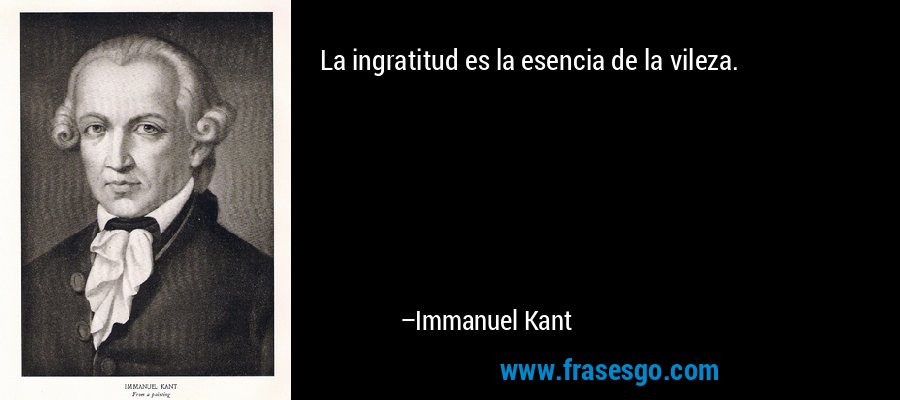
Se dice de Immanuel Kant que era de costumbres tan regulares que los habitantes de Königsberg aprovechaban su paso por determinados lugares para poner en hora sus relojes.
Una tarde, Kant tuvo la desagradable sorpresa de encontrarse con que el reloj de su casa se había parado. Era evidente que su criado, que tenía el día libre, se había olvidado de darle cuerda. El gran filósofo no se atrevió a ponerlo en hora porque su reloj de bolsillo estaba en reparación, y no tenía modo de saber la hora exacta. Poco después se fue caminando hasta la casa de su amigo Schmidt, un comerciante que vivía a un par de kilómetros de su casa. Al entrar en la casa de su amigo se fijó en la hora que marcaba un reloj de pared que estaba en el pórtico.
Tras pasar algunas horas en casa de Schmidt, Kant se fue y regresó a su casa por el mismo camino por el que había venido. Paseaba, como siempre, con el mismo paso constante y regular que no había cambiado en veinte años. No tenía la menor idea de cuánto había tardado en hacer el camino de regreso, pues Schmidt se había mudado recientemente y Kant no había cronometrado aún el trayecto. Sin embargo, apenas llegó a su casa, puso el reloj en hora. ¿Cómo pudo saber Kant qué hora era exactamente?
Kant le dio cuerda a su reloj antes de salir, así que al regresar pudo de una ojeada saber cuánto tiempo había estado ausente. De este tiempo restó el que había pasado con Schmidt (que pudo calcular observando la hora de entrada y de salida en el reloj de la casa de Schmidt). De esta forma supo el tiempo total que había estado caminando. Como regresó por el mismo camino y a la misma velocidad, dividió por entre dos el tiempo total que estuvo caminando, averiguando así cuánto tardó en regresar a casa. Sumando esta cantidad con la hora de salida de la casa de Schmidt, consiguió saber a qué hora llegó a casa y, por lo tanto, poner dicha hora en su reloj.
sábado, 17 de noviembre de 2012

viernes, 16 de noviembre de 2012
Nietzsche

Todo aquel que sepa algo sobre la vida del polémico filósofo Friedrich Wilhelm Nietzsche conocerá el célebre episodio -ocurrido durante la triste etapa final de su vida- de su abrazo a un caballo en plena vía pública (en Turín, para ser más precisos).
Cuando éste era azotado a latigazos por el cochero, al que poco le importaba que el animal no pudiera seguir arrastrando la excesiva carga que al parecer llevaba. Cuentan que Nietzsche se abrazó al caballo y decidió no soltarlo bajo ninguna circunstancia (llegó a pedirle disculpas en nombre de la humanidad por la brutalidad humana, mientras la policía acudía a solucionar el asunto). Sólo se soltó del caballo cuando llegó un tal señor Fino, que regentaba la pensión de Turín donde se alojaba el filósofo y que era dueño de un quiosco ubicado precisamente en la plaza pública donde sucedieron los hechos. Al verlo, Nietzsche lo abrazó llorando.
miércoles, 14 de noviembre de 2012
Bob Black

“El anarquismo como medio no es tanto un desafío al orden existente como una forma altamente especializada de acomodarse a él”.
En la actualidad no hay necesidad alguna de elaborar nuevas definiciones del anarquismo -sería difícil mejorar las que hace mucho tiempo idearon varios eminentes extranjeros muertos. Tampoco necesitamos detenernos en los conocidos anarquismos con guión, comunistas, individualistas y demás; todo eso ya lo tocan los libros de texto.
Viene más al caso preguntarse por qué hoy no estamos más cerca de la anarquía de lo que estuvieron Godwin y proudhon y Kropotkin y Goldman en su época. Son muchas las razones, pero las que más tendrían que dar que pensar son las que suscitan los propios anarquistas, puesto que de haber obstáculos que fuera posible superar, serían éstos. Posible, pero poco probable.
Tras años de meticuloso escrutinio del medio anarquista, y de angustiosa actividad en su seno en ocasiones, he llegado a la conclusión de que los "anarquistas" son una de las principales razones -sospecho que razón suficiente- por las que la anarquía sigue siendo un epíteto sin la más remota posibilidad de realización.
Francamente, la mayoría de anarquistas son incapaces de vivir de forma autónoma y cooperativa; muchos de ellos no tienen demasiadas luces. Tienden a examinar a sus propios clásicos y literatura de iniciados en detrimento de un conocimiento más amplio del mundo en que vivimos. Esencialmente tímidos, se asocian con otros como ellos con el entendimiento tácito de que nadie sopese las opiniones y acciones de ningún otro con arreglo a norma alguna de inteligencia crítico-práctica, que nadie se eleve excesivamente por encima del nivel predominante por medio de sus proezas prácticas, y ante todo, que nadie cuestione los dogmas de la ideología anarquista.
El anarquismo como medio no es tanto un desafío al orden existente como una forma altamente especializada de acomodarse a él. Es una forma de vida, o su complemento, con su propia mezcolanza particular de recompensas y sacrificios. La pobreza es obligada, pero por eso mismo zanja de antemano la cuestión de si este o aquel anarquista podría haber sido otra cosa que un fracasado al margen de su ideología.
La historia del anarquismo es una historia de derrotas y mártires sin parangón, y aún así los anarquistas veneran a sus antepasados martirizados con una devoción morbosa que hace sospechar que los anarquistas, como todos los demás, piensan que el mejor anarquista es el anarquista muerto. La revolución -derrotada- es gloriosa, pero su lugar son los libros y los panfletos.
Durante este siglo -España en 1936 y Francia en 1968- la sublevación revolucionaria pilló desprevenidos a los anarquistas oficialmente organizados y en los inicios ajenos cuando no opuestos. No hay que ir muy lejos para hallar la razón. No se trata de que estos ideólogos fueran hipócritas (algunos lo eran). Se trata más bien de que habían desarrollado una rutina cotidiana de militancia anarquista, y contaban inconscientemente con que ésta perduraría indefinidamente ya que la revolución no es "realmente" imaginable en el aquí y ahora y cuando los acontecimientos desbordaron su retórica reaccionaron de modo temeroso y a la defensiva.
En otras palabras, si se les diese a elegir entre el anarquismo y la anarquía, la mayoría de anarquistas se inclinaría por la ideología y la subcultura anarquistas antes que por emprender un peligroso salto hacia lo desconocido, hacia un mundo de libertad sin Estado. Pero puesto que los anarquistas son casi los únicos críticos declarados del Estado como tal, estas gentes temerosas de la libertad asumirían inevitablemente posiciones prominentes o al menos publicitadas en cualquier sublevación resueltamente antiestatal.
Siendo ellos mismos del tipo de los seguidores, se encontrarían liderando una revolución que haría peligrar su estatus establecido no menos que el de políticos y propietarios. Conscientemente o de otras formas, los anarquistas sabotearían la revolución, que sin ellos quizá se hubiera desembarazado del estado sin detenerse siquiera a reestrenar la vieja riña Marx/Bakunin.
A decir verdad, los anarquistas nominales no han hecho nada para desafiar al Estado, no ya con pomposos y escasamente leídos textos infestados de jerigonza, sino con el contagioso ejemplo de otra forma de relacionarse con los demás. Los anarquistas, en vista de como manejan el negocio del anarquismo, son la mejor refutación de las pretensiones anarquistas. Cierto, en Norteamérica, al menos, las macrocefálicas “federaciones” de organizaciones obreristas se han derrumbado entre el tedio y las disensiones -y menos mal- pero la estructura social informal del anarquismo sigue siendo jerárquica de cabo a rabo.
Los anarquistas se someten plácidamente a lo que Bakunin denominó un “gobierno invisible”, compuesto en su caso por los editores (de hecho si no nominalmente) de un puñado de las publicaciones anarquistas más importantes y más longevas. Estas publicaciones, pese a diferencias ideológicas aparentemente profundas, comparten posturas paternalistas similares de cara a sus lectores, así como un pacto de caballeros para no permitir ataques que expongan sus incoherencias y socaven de otros modos su común interés de clase en la hegemonía sobre los anarquistas de a pie.
Por extraño que parezca, resulta mucho más fácil criticar a "Fith State" o "Kick It Over" en sus propias páginas que, pongamos por caso, criticar allí a "Processed World".
Cada organización tiene más cosas en común con todas las demás que con cualquiera de los desorganizados. La crítica anarquista del Estado, si los anarquistas fueran capaces de comprenderla, no es más que un caso particular de la crítica de la organización. Y en cierta medida, incluso las organizaciones anarquistas lo intuyen.
Los antianarquistas podrían muy bien sacar la conclusión de que si ha de haber jerarquía y coacción, que sea abiertamente, claramente etiquetada como tal. A diferencia de tales lumbreras (los “libertarios” de derechas, los minianarquistas, por ejemplo), yo insisto tozudamente en mi oposición al Estado. Pero no porque, como tan irreflexivamente y tan a menudo proclaman los anarquistas, el Estado no sea “necesario”. La gente común rechaza esta afirmación anarquista por absurda, y hace bien.
Evidentemente, en una sociedad de clases industrializada como la nuestra, el Estado es necesario. La cuestión es que el Estado ha creado las condiciones que lo hacen necesario, al despojar a los individuos y a las asociaciones voluntarias de sus poderes. Lo que resulta más fundamental, no es que las premisas del Estado (el trabajo, el moralismo, la tecnología industrial, las organizaciones jerárquicas) no sean necesarias sino que son antitéticas a la satisfacción de necesidades y deseos reales. Por desgracia, la mayoría de variedades de anarquismo ratifica todas las premisas y pese a ello, rechaza su conclusión lógica: el Estado.
Si no hubiera anarquistas, el Estado tendría que inventarlos. Sabemos que en varias ocasiones eso es precisamente los que ha hecho. Necesitamos anarquistas libres del lastre que supone el anarquismo. Entonces, y sólo entonces, podremos empezar a plantearnos en serio el fomento de la anarquía.
* Texto escrito por Bob Black en 1985. Traducido por Federico Corriente y editado por Pepitas de calabaza Ed. y Oxígeno Distribuidora.
martes, 13 de noviembre de 2012
Mario Benedetti
María Esther Gilio - Brecha Me gustaría que empezaras por recordar tu vida en el momento en que escribiste La tregua. ¿Por qué esa historia difícil de imaginar en un escritor joven? ¿Qué edad tenías cuando la escribiste?
No tan joven. Ya estaba casado. Tendría 25. Hoy estarías saliendo de la adolescencia.
¿Cómo fue, entonces, que se te ocurrió esa historia?
Yo trabajaba en las oficinas de Piria, donde estuve 15 años. Entré como pinche y llegué a gerente. En una época tenía tres empleos, y Luz también trabajaba. Claro que entonces uno podía conseguir los tres empleos. En un momento, siendo yo oficial de contaduría, mi jefe, viudo desde hacía un tiempo -un tipo muy bien, muy macanudo y muy calmo-, empezó a comportarse con una alegría de vivir que en él era desconocida. Un día yo le digo "Pero don Diego, ¿qué le pasa que está tan bien últimamente?". Él, para vos, era un viejo. ¿Qué edad tiene Santomé?, ¿cincuenta? Más o menos cincuenta. Cuando le pregunto me dice "Vamos al café, te voy a contar". Fuimos. "Estoy enamorado", me dice. "Pero el problema es que esta muchacha tiene la mitad de mis años. Tiene 26. ¿Qué voy a hacer?" "¿Por qué no se casa?", le digo yo. Y volvió a enviudar. Eso pasa en la novela. En la vida pasó lo que era lógico, él murió antes que ella. Me explicaste alguna vez que Avellaneda debía morir para que ese amor no fracasara. Sí. Para evitar el fracaso había que matar a Avellaneda. Cuando salió la novela, unas cincuenta mujeres hicieron una reunión en un apartamento de Pocitos, a la que me invitaron. Allí me reprocharon que hubiera matado a Avellaneda. Yo les decía que la había matado en beneficio de la historia de amor. En 15 años Santomé iba a ser un viejo, tal vez moriría. Qué triste. Más o menos las convencí.
Tu visión, en ese momento, era que tal diferencia de edad indefectiblemente terminaba con el amor. ¿Pensás hoy lo mismo?
Hoy tenemos muchos ejemplos en contrario. Picasso, Alberti, Casal, Borges. ¿Cómo era Montevideo en la época de la novela?
Estábamos en el auge del empleo público. La familia para considerarse familia debía tener un miembro empleado público. Estaba aquella frase tuya donde decías que Uruguay era la única oficina del mundo que había alcanzado la categoría de república. Tus poemas de la oficina también son buenísimos. Pero no eras empleado público.
Era, sí. Antes de trabajar en Piria trabajé cinco años en la Contaduría General de la Nación. En esa época, para despedir a un empleado público creo que debían reunirse las dos cámaras. Tenía que haber desaparecido con el tesoro de la nación o matado al jefe de la oficina. Despedir era casi imposible. El empleo público era la seguridad. Y este país era el país de la seguridad. La gran palabra era esa. Hasta que vino la dictadura y todo eso se fue al demonio. Echaron, nombraron a dedo. La tregua fue la primera novela que escribiste. No, la primera fue Quién de nosotros, donde la historia está relatada desde tres lugares diferentes. Son tres versiones de una relación de pareja. Una especie de Rashomon. Puede ser, era la época. Hay un marido que escribe su diario, una mujer que escribe al marido una larga carta donde le dice que se va con su amigo, el de él, y finalmente, está la versión del amigo -que era escritor- y hace un cuento sobre la relación con la mujer, pero con notas al pie de página donde contradice todo lo que aparece ocurriendo en el cuento. A Onetti le gustaba mucho esa novela. Sí, cuando la leyó me llamó y me dijo "Me echaste a perder una novela que estaba escribiendo con la misma técnica". En Quién de nosotros tenés una estructura que facilita el camino. En cambio en La tregua te enfrentás a uno de los difíciles problemas que se le plantean al novelista: desde dónde se cuenta la historia, quién la cuenta. Con La tregua barajé varias posibilidades. Que contara un narrador en tercera persona, pero me pareció que para que el tema tuviera la comunicación y el calor necesarios tenía que ser el protagonista quien contara. Santomé, él sería el mejor instrumento. Era, además, a través de él que te había llegado. Claro, aunque yo lo cambié mucho a él, y a las circunstancias de su vida. Le adjudiqué tres hijos, decidí que uno fuera homosexual. Un día, años después -Fiorello, mi compañero de oficina, ya había muerto-, me encontré con el único hijo que tenía. Me dijo "¿Cómo lo metiste al viejo en la novela?". Yo nunca lo había dicho. Pero ellos se dieron cuenta. ¿Conociste a quien luego llamaste Avellaneda? Sí, la conocí. Físicamente no tenía nada que ver con el personaje. Y en el resto no sé. La edad sí era la misma. En La tregua hay otros personajes. Esos son inventados. El amigo que viene del exterior, que me permite alguna alusión a lo político. En ese momento la situación política empezaba a mostrar fisuras. Había que hacer alguna referencia. Pero además había que meter algún personaje, describir alguna situación que pusiera un poco de aire en el relato, que lo sacara de la encerrona total. La novela no podía circunscribirse al mesurado y sobrio idilio de Santomé con Avellaneda. En ese momento ya habías escrito cuentos. Montevideanos, por ejemplo; una novela, Quién de nosotros, y poesía. Poesía seguramente desde chico. Sí, desde la infancia. Las primeras las escribí en alemán porque iba al Colegio Alemán. Qué curioso que tu padre siendo italiano te mandara al Colegio Alemán. Mi padre era químico y por ese lado admiraba mucho a los alemanes. Pero, estando yo en el último año de primaria, un día llego a casa y le digo "¿Sabés, papá? A partir de mañana cuando el profesor entre a clase tenemos que saludarlo así, con la mano levantada". Mi padre me dijo "Te quedan 15 días para terminar sexto. Vas a ir esos 15 días pero secundaria no la vas a hacer ahí". Estaba indignado. Sería el año 32. Sería. Hindenburg era el presidente de Alemania y Hitler el primer ministro. Volviendo a tu novela. Santomé, a menudo, se encuentra con Avellaneda en un café. ¿Es alguno de los cafés que conocemos? Sí, es ahí en el café que se le declara. El café es el Sorocabana de 25 de Mayo. Allí escribí la novela. No se me hubiera ocurrido. No te veo escribiendo en un café. ¿Dónde te sentabas para escribir? En una mesa cualquiera. Nadie me conocía. Si fuera ahora, imaginate. Pero en esa época era lo único posible. Tenía dos horas al mediodía. En lugar de irme a Malvín y volver en el 142, me iba allí, pedía un refuerzo, un café y escribía. A mano, claro. Sí, a mano. Después la pasaba en la Olivetti. Varias veces, porque corrijo mucho. ¿Qué corregís? La historia queda. Cambio frases. La vez pasada me dijiste que habías tirado una novela entera. Y añadiste que cuando corregís siempre es borrando, nunca agregando. Sigo la receta de Rulfo que decía "La mejor autocrítica es el hacha". Conrad no lo dice así pero dice algo parecido, cuando proclama la austeridad, la necesaria sequedad del texto. Yo te voy a decir una cosa. No entiendo bien el éxito de La tregua, tiene más de 150 ediciones. No creo que sea mi mejor novela. ¿La mejor sería Gracias por el fuego? Tampoco. Yo creo que la mejor que escribí es La borra del café. Es la única que en algún sentido es autobiográfica. O que por lo menos lo es en el envase, pues el protagonista es totalmente inventado pero vive en los barrios donde yo viví.
 ¿Cuáles son esos barrios?
Capurro -uno de los más queridos- Malvín,
Punta Carretas.
Pero La tregua algo tiene que tocar en la
gente.
Es una historia de amor. Creo que no es
cursi.
Ahí está aquel diálogo de Avellaneda con
Santomé donde ella le cuenta qué entiende la madre por felicidad. Esa idea menos
ambiciosa, más modesta de lo que es la felicidad es posible que sirva a mucha
gente.
Algo así habrá. No sabés cuántas veces la
han dado en radio, cine, teatro, televisión. A veces bien hecha, a veces mal. En
Colombia, por ejemplo, hicieron una versión desastrosa. Metieron complicaciones
con el narcotráfico. Yo sólo les había exigido que la ubicaran en Uruguay. Nunca
imaginé que saldrían con algo así. La tregua me conquistó un público de afuera.
Cuando la hicieron en televisión con Héctor Alterio y Ana María Picchio fue
fantástico. A mí me gustó más esta versión que la hecha en cine.
¿Por qué te gustó menos la hecha en
cine?
Porque trasladaron la acción a Buenos Aires,
además de cambiarle la época.
Transcurre en pleno peronismo.
Lo que pusieron de cosa política no es
mucho, pero ¿para qué? Yo estuve algo distanciado de Renán por ese motivo.
Después, cuando se propuso hacer Gracias por el fuego me llevó a España el
libreto. Le hice varias observaciones que aceptó. Pero los productores
exigieron, al final, unas carcajadas totalmente ridículas que él tuvo que
aceptar y nos disgustaron a los dos: a él y a mí.
Estoy segura de que, como siempre, tenés
algo en prensa.
Justamente, un libro de poemas, El mundo que
respiro, un libro de un señor de 80 años.
Que trabaja como un señor de
40.
Sí, trabajo mucho.
¿Un libro un poco amargo?
No, más existencial, donde la muerte está
más presente, menos político. También estoy preparando un libro de cuentos que
tal vez termine para fin de año. Son cuentos breves.
Quizá en eso de la brevedad te influya tu
trabajo con los haikus.
Puede ser. Tú no sabés cómo me divertí
haciendo ese libro. Cien haikus quedaron afuera.
Ahora que han pasado muchos años de tu
vuelta, ¿cómo ves el exilio?
Yo estuve en cuatro países. Cuando uno no
elige irse, el irse tiene cosas muy malas. Pero también cosas interesantes.
Otras historias, otra cultura, a veces otra lengua. Creo que uno madura de otra
manera. Yo seguí escribiendo sobre montevideanos, esta vez exiliados, y como
siempre de clase media. Esta es una limitación que no he trascendido.
Todavía.
¿Cuáles son esos barrios?
Capurro -uno de los más queridos- Malvín,
Punta Carretas.
Pero La tregua algo tiene que tocar en la
gente.
Es una historia de amor. Creo que no es
cursi.
Ahí está aquel diálogo de Avellaneda con
Santomé donde ella le cuenta qué entiende la madre por felicidad. Esa idea menos
ambiciosa, más modesta de lo que es la felicidad es posible que sirva a mucha
gente.
Algo así habrá. No sabés cuántas veces la
han dado en radio, cine, teatro, televisión. A veces bien hecha, a veces mal. En
Colombia, por ejemplo, hicieron una versión desastrosa. Metieron complicaciones
con el narcotráfico. Yo sólo les había exigido que la ubicaran en Uruguay. Nunca
imaginé que saldrían con algo así. La tregua me conquistó un público de afuera.
Cuando la hicieron en televisión con Héctor Alterio y Ana María Picchio fue
fantástico. A mí me gustó más esta versión que la hecha en cine.
¿Por qué te gustó menos la hecha en
cine?
Porque trasladaron la acción a Buenos Aires,
además de cambiarle la época.
Transcurre en pleno peronismo.
Lo que pusieron de cosa política no es
mucho, pero ¿para qué? Yo estuve algo distanciado de Renán por ese motivo.
Después, cuando se propuso hacer Gracias por el fuego me llevó a España el
libreto. Le hice varias observaciones que aceptó. Pero los productores
exigieron, al final, unas carcajadas totalmente ridículas que él tuvo que
aceptar y nos disgustaron a los dos: a él y a mí.
Estoy segura de que, como siempre, tenés
algo en prensa.
Justamente, un libro de poemas, El mundo que
respiro, un libro de un señor de 80 años.
Que trabaja como un señor de
40.
Sí, trabajo mucho.
¿Un libro un poco amargo?
No, más existencial, donde la muerte está
más presente, menos político. También estoy preparando un libro de cuentos que
tal vez termine para fin de año. Son cuentos breves.
Quizá en eso de la brevedad te influya tu
trabajo con los haikus.
Puede ser. Tú no sabés cómo me divertí
haciendo ese libro. Cien haikus quedaron afuera.
Ahora que han pasado muchos años de tu
vuelta, ¿cómo ves el exilio?
Yo estuve en cuatro países. Cuando uno no
elige irse, el irse tiene cosas muy malas. Pero también cosas interesantes.
Otras historias, otra cultura, a veces otra lengua. Creo que uno madura de otra
manera. Yo seguí escribiendo sobre montevideanos, esta vez exiliados, y como
siempre de clase media. Esta es una limitación que no he trascendido.
Todavía.
J.P. Morgan

Un día, un hombre se le acercó a JP Morgan, sostuvo en su mano un sobre, y le dijo: “Señor, en mi mano tengo una fórmula garantizada para el éxito, que le venderé feliz por $25,000″.
“Señor”, repuso JP Morgan, “no sé lo que está en el sobre. Sin embargo, si me lo muestra, y me agrada, le daré mi palabra como caballero que le pagaré lo que pide”.
El hombre aceptó el trato y le dio el sobre. JP Morgan lo abrió, y extrajo de él una simple hoja de papel. Le dio un vistazo, metió la hoja en el sobre, y se la devolvió al señor. Sacó su chequera, y le pagó al hombre los solicitados $25,000
El papel, decía:
- Cada mañana, escribe una lista de las cosas que deben hacerse ese día
- Hazlas
lunes, 12 de noviembre de 2012

jueves, 8 de noviembre de 2012
Charles M. Schulz
 by
by If you read the strip, you would know me. Everything I am goes into the strip—all of my fears, my anxieties and my joys. ~Charles M. Schulz
The man who gave us, Peanuts, the most famous comic strip ever created, played out his feelings of rejection, insecurity and isolation through his lovable cartoon character, Charlie Brown. In spite of those lifelong feelings, which could have debilitated Schulz, he chose to persevere because of his passion for drawing. His life and times came alive in Charlie Brown, and he proved that humor can be the best medicine.
The Early Years
When Charles Schulz was just two days old, an uncle nicknamed him “Sparky” after the horse Sparkplug from Barney Google, a popular comic strip at the time. Schulz kept the name throughout his adulthood marking a life forever intertwined with cartooning.
Born in Minneapolis, Minnesota, on November 26, 1922, Charles was the only child of Carl and Dena Schulz. His father was a barber (just like Charlie Brown’s father) who earned a respectable position within the community. Charles had fond memories of him and his father making a ritual out of reading four comic sections every Sunday morning. He and his father would worry about what could happen next to the characters.
Charles’ mother, a kind woman, but also known to be distant and elusive at times, was a strong influence in his life. His relationship with her was one where he felt that he may be abandoned by her. This came true when, at just 48, she died from colon cancer, which hit Charles hard. At 22 and three days after his mother’s death, he was drafted into the army and left for Kentucky as a private to fight in World War II. Until the army, he had spent only two nights in his life apart from his mother so he was a stranger to the world and had always been sheltered from hard times by his parents. But serving in the army would change everything. Wondering how he would survive the war, Charles drew often to solve his problems and at the same time solidified a desire he had had since he was six years old, to draw a newspaper comic strip.
A Gift for Drawing
Charles’ earliest recollection of drawing and being complimented for it was in kindergarten. He had been given large sheets of white paper and black crayons and was asked to draw anything he wanted by the teacher. He drew a man shoveling snow. When the teacher came by and looked at his paper she said: “Someday, Charles, you’re going to be an artist.”
Never Ever Ever Give-up!
Charles Schulz had a history of experiencing rejection, which began with failing every subject in the 8th grade, although he was an intelligent boy. He also flunked physics, Latin, algebra, and English in high school. He didn’t do well in sports either. He was shy and never considered himself a friendly person or one to have any friends. He never even asked a girl out for fear of rejection. He faced even more disappointment, when, in high school, he began submitting his artwork to major magazines; he received many rejection slips with no encouragement. In his senior year, his Mom had shown him an advertisement for a free talent test from Art Instruction, Inc., a correspondence school, which said, “Do you like to draw?” Intrigued by the school’s emphasis on cartoon instruction, Charles chose to enroll. The course was approximately $170 total, and it was during the Great Depression, so Charles worried because his father struggled to make the payments, but he was able to successfully complete the course at his father’s insistence.
After World War II, Charles began seriously pursuing the sale of his work. He visited the offices of Timeless Topix, publishers of a series of Catholic comic magazines. There, he was given his first job filling in the balloons for comic strips drawn by others. He also took a job soon after with Art Instruction, Inc. correcting basic lessons. In his spare time, Charles worked on his cartoons, never letting a week go by without having something in the mail and because of that sold 15 cartoons to the Saturday Post. This was an exciting time.
One day Frank Wing, a fellow instructor at the School, who inspired Charles because of his perfectionism at drawing things as they appeared, made a comment on one of Charles’ drawings. Charles had drawn a cartoon of a small boy and girl to the likes of Schroeder and Peppermint Patty, and Frank told him that he should draw more of those “little kids because they were pretty good.” So Charles decided to focus on drawing a batch of the kids and successfully sold them as a weekly feature called Li’l Folks to St. Paul Pioneer Press.
In 1950, when Charles was 27 years old, he put together samples of his best work from Li’l Folks and sent them to United Feature Syndicate in New York City. Six weeks later, and convinced that his cartoons had been lost in the mail, Charles wrote a letter to see where the cartoons were. He received a nice letter back from the editorial director and was asked to come to New York because they were interested in his work. He signed a contract with United Media and Peanuts was born.
The Peanuts Gang
Because Charles had young children at the time, the strip revolved around little children. Originally the strip was called Li’l Folks but was named Peanuts much to Charles’ displeasure. He thought the name was “undignified, inappropriate and confusing.” But United Feature Syndicate thought it would catch the reader’s attention.
As the strip progressed, so did the characters with the slowest change occurring with Snoopy who eventually walked on two feet and became one of the main characters.
Charles had a belief that the more distinct the personalities of the characters were, the better the strip, because readers will think of it as real. And, consequently, the Peanuts Gang came to life. The characters he created were not only drawn from his family and friends but also from his own personality.
Charlie Brown
Charles Schulz always thought he had an ordinary face to the point that if he was out somewhere people wouldn’t recognize him. This is what prompted Charlie Brown’s round, ordinary face. Charlie Brown represented “everyman,” according to Charles and was named after a co-worker and close friend at the correspondence school, Charlie Brown, who had a great enthusiasm for life.
Charlie Brown lived his life to triumph over adversity. He gave his all and never gave-up when it came to flying a kite successfully, kicking the football that Lucy held, or pitching a winning baseball game. But, he never was successful at accomplishing any of these things; however, one thing was true: He never ever ever gave-up! By all accounts, Charlie Brown could be thought of as a loser (he even got really down about it himself), but because of the fact that he always tried, made him anything but a loser. He was an endearing and admirable character.
Charlie Brown’s biggest crush was on the little red-haired girl, although the love was unrequited. Charles experienced this in his own life when, as a young man in Saint Paul, he had a crush on a red-haired girl named Donna Johnson. She chose someone else as Charles was about to propose to her, which broke his heart.
Charlie Brown was also called a “blockhead” by his friends, consistently headed towards Lucy’s psychiatric tent for some serious advice, which he rarely received, and he was always his own worst critic.
In spite of all this, Charlie Brown was kind, considerate, friendly, and introspective; he was always trying to uncover the true meaning of life. And his biggest virtue of all, much like Charles Schulz himself, was that he persevered and did not let feelings of loss, rejection, isolation, and defeat stop him from pursuing his goals.

Snoopy
When Charles turned 13, the family was given a black and white dog that turned out to be the model for Snoopy. The dog, named Spike, was a mixed breed, outrageously independent and ate almost everything in sight. Charles’ first published drawing was of his dog Spike in Ripley’s Believe or Not! The caption said: “A Hunting Dog that Eats Pins, Tacks and Razor Blades is owned by C.F. Schulz.” The name of Spike lives on as Snoopy’s loner brother who, in the comic strip, lives in the California desert.
Charles built Snoopy’s character around the fact that he observed that many neighborhood dogs seemed smarter than the children who were their masters. Charles executed this theme through the wise and tolerable ways of Snoopy.
Snoopy also had an incredible imagination and because of that had a number of heroic alter egos: Joe Cool, World War I Flying Ace, Literary Ace, Flashbeagle, Vulture, and Foreign Legionnaire.
The Rest of the Gang
Lucy, Linus, Woodstock, Sally, Schroeder, Peppermint Patty, Marcie, Pigpen, Franklin, and Rerun all had quirks and brought their unique perspectives on life to the strip.
Known to be a “fussbudget,” Lucy was created in the likes of Charles’ eldest daughter, Meredith. She always pulled the football away from Charlie Brown in an attempt to “build his character,” as she commonly said. Lucy was self-centered, a little crabby and was in love with Schroeder. She was famous for her psychiatric stand advice for 5 cents, which was a joke that Charles had started as a takeoff on a lemonade stand.
The rest of the gang’s uniqueness was perfected: Linus, Lucy’s younger brother, was known for his philosophical revelations and always dragged around a blanket, which inspired the American saying, “security blank.” Sally, Charlie Brown’s younger sister, had a crush on Linus never winning his heart. Piano playing Schroeder was obsessed with Beethoven, and was obviously disinterested in Lucy’s great affection for him. Pigpen walked around in a cloud of dust and dirt, unaffected by his appearance. Peppermint Patty, who always called Charlie Brown “Chuck”, was a tomboy and did not know for a long time that “the funny-looking kid who plays shortstop” was really Snoopy. Marcie, the smartest of the Peanuts Gang but the most naïve, was known for her faithful friendship to Peppermint Patty and for calling her “Sir” out of “admiration and misguided manners.” Thoughtful Franklin, the only African American in the strip, was Charlie Brown’s friend and had the least amount of “anxieties and obsessions.” And how can we forget Woodstock, the little bird who had a lot of charisma. Woodstock was Snoopy’s closet friend, the butt of many of Snoopy’s practical jokes and communicated only though exclamation points. And finally, Rerun, Lucy and Linus’ baby brother, who longed for a dog of his own and often tried to borrow Snoopy.
You’re a Good Man Charlie Schulz
Charles Schulz drew 17,897 strips without any help. Even when he became the highest paid cartoonist in the world, and at the height of fame, he was very modest and thought of himself as just another “ordinary fellow.” He was the most widely syndicated cartoonist in history and his work appeared in over 2,600 newspapers in 75 countries. He had published dozens of books and won Peabody and Emmy awards for his animated TV specials, “A Charlie Brown Christmas” and “It’s the Great Pumpkin, Charlie Brown.” He is responsible for the most-produced musical in the American theatre; entitled “You’re A Good Man, Charlie Brown” He rarely took a day off and remained on schedule after quadruple-bypass heart surgery in 1981. In 1997, he reluctantly took five weeks off for his 75th birthday.
Forever Bonded
Charles had a stroke in November of 1999 at age 77 and soon after discovered that he had the later stages of colon cancer. The chemotherapy treatments and the fact that he could not read or see clearly, forced him to retire on December 14, 1999, from a nearly 50 year career. He did not want to pass the strip onto any other artist.
On February 12, 2000, Charles died in his sleep in Santa Rosa, CA on the eve of his very last comic strip. The irony of the timing of his death leads one to believe that he and his art were inseparable. He was survived by his first wife, Joyce and second wife, Jeannie, three daughters, two sons, a stepdaughter, stepson, and 18 grandchildren.
In his final farewell comic strip, he said: “I have been grateful over the years for the loyalty of our editors and the wonderful support and love expressed to me by fans of the comic strip. Charlie Brown, Snoopy, Linus, Lucy…how can I ever forget them…” Charles Schulz made us think with his comic strip but, most of all, made us laugh. He succeeded beyond his wildest imagination and persevered through rejection, insecurity and disappointment. For this, the world is forever changed by his enormous will and talent.
For more information on Charles Schulz’s biography, visit www.schulzbiography.com. For more information on the Peanuts Gang, visit www.snoopy.com. If you are interested in visiting the Charles Schulz Museum located in Santa Rosa, CA, go to www.schulzmuseum.org
Founder’s favorite excerpt from the book: Peanuts: A Golden Celebration by Charles Schulz:
“Children do not converse. They say things. They ask, they tell, and they talk, but they know nothing of one of the great joys in life, conversation. Then, along about twelve, give or take a year on either side, two young people sitting on their bicycles near a front porch on a summer evening begin to talk about others that they know, and conversation is discovered. Some confuse conversation with talking, of course, and go on for the rest of their lives, never stopping, boring others with meaningless chatter and complaints. But real conversation includes asking questions, and asking the right ones before it’s too late.”

Did you know ...
Suscribirse a:
Entradas (Atom)